In short: Eating the same meal in a different order changes what happens to your blood sugar afterwards. In a 2017 Weill Cornell trial, people who ate vegetables and protein first and carbohydrates last had a glucose peak about 54% lower than when they ate the carbs first. Add two more habits, timing most of your carbs close to movement and choosing monounsaturated fats like olive oil and avocado, and most people notice steadier energy, fewer cravings and a calmer stomach within a couple of weeks. No calorie counting, no food groups removed.
Most advice about eating well starts with what to take off your plate. This is about the plate you already have. Same food, same portions, arranged differently, and the afternoon that follows feels different. It sounds too simple to matter, and then you try it and the 3pm slump doesn't arrive.
Here's how it works, in the order you'd actually eat.
1. Vegetables first, protein second, carbs last
The research on this is small but unusually clear. In 2015, a team at Weill Cornell gave adults with type 2 diabetes the same meal on two different days. One day they ate the bread and orange juice first. The other day they ate the chicken, salad and vegetables first and saved the carbs for the end. Eating the carbs last cut glucose at the one-hour mark by about 37% and lowered insulin too.
The same team ran a bigger version in 2017 with three meal orders. Carbs last produced a glucose peak roughly half the size of carbs first. Those were people with diabetes, so the effect in a healthy body will be smaller, but the mechanism is the same for everyone: fiber and protein slow the stomach down, so the sugar from the carbs arrives in your blood gradually instead of all at once.
The formula, then:
-
Vegetables first. A salad, cooked greens, roasted vegetables, whatever's on the plate. The fiber acts like a speed bump for everything that follows.
-
Protein and fat next. Fish, eggs, chicken, beans, cheese, olive oil. This is where you start to feel full, and it keeps the stomach emptying slowly.
-
Carbs last. Bread, rice, pasta, potatoes, fruit, dessert. By the time they arrive, your body is ready for them.
You don't have to eat them as three separate courses. Just start with the vegetables and finish with the starch. At a restaurant this means the bread basket waits until after the main.
If tracking food has ever felt like a second job, this is an easier place to start. There's nothing to measure.
2. Put your carbs where they'll be used
Carbs aren't the problem. Carbs at the wrong moment are.
Within an hour of moving your body, your muscles are primed to take up carbohydrate and refill the energy they just used. This is the best time of day for the rice, the oats, the sourdough, the banana. They get used for recovery rather than sitting around.
During the long still stretches, the desk hours, the evening on the sofa, your muscles aren't asking for much. Carbs eaten then are more likely to be stored than used. That doesn't mean skipping them. It means being a little smarter:
-
Choose the slower kind: sweet potatoes, oats, lentils, beans, whole fruit rather than juice.
-
Pair them with protein or fat. Apple with almond butter, rice with salmon, toast with eggs.
-
Move for five minutes afterwards. A 2022 meta-analysis in Sports Medicine found that even light walking after eating noticeably lowered post-meal glucose and insulin compared with staying seated. Clearing the table, walking the dog to the corner, a lap of the garden all count.
-
Add something sour. A splash of apple cider vinegar in water before a meal, or a few pickles on the side, may take the edge off the blood sugar rise. Small effect, pleasant habit.
3. Choose fats that work for you
Fat is the part of the plate that makes everything else satisfying and keeps you from wandering back to the kitchen an hour later. The best choices here are the monounsaturated fats the Mediterranean has been eating for a few thousand years:
-
Olive oil, generously, on everything that isn't dessert.
-
Avocado, half with lunch is plenty.
-
Macadamia nuts, which have the highest monounsaturated content of any nut. A small handful.
These also happen to be the fats that make vegetables taste good enough to eat first.
Three kitchen tricks worth knowing
Cinnamon. About a teaspoon a day, stirred into coffee, oats or yogurt, has shown a modest steadying effect on blood sugar in several trials. It's not a treatment for anything. It is a nice excuse to use more cinnamon.
Chili. Capsaicin, the compound that makes peppers hot, raises body temperature slightly after a meal and seems to help with feeling full. The effect is small, but if you already like heat, lean in.
Cook, cool, reheat. When rice, potatoes or pasta are cooked and then cooled in the fridge, some of their starch converts into resistant starch, which behaves more like fiber: it feeds your gut bacteria and raises blood sugar less. Reheating keeps most of the benefit. Yesterday's rice is better for you than tonight's.
The takeaway
Eat the vegetables first and the starch last. Put most of your carbs near the times you move, and walk a little after the meals when you can't. Dress everything in olive oil. Those three habits change how a meal lands without changing what's on the plate.
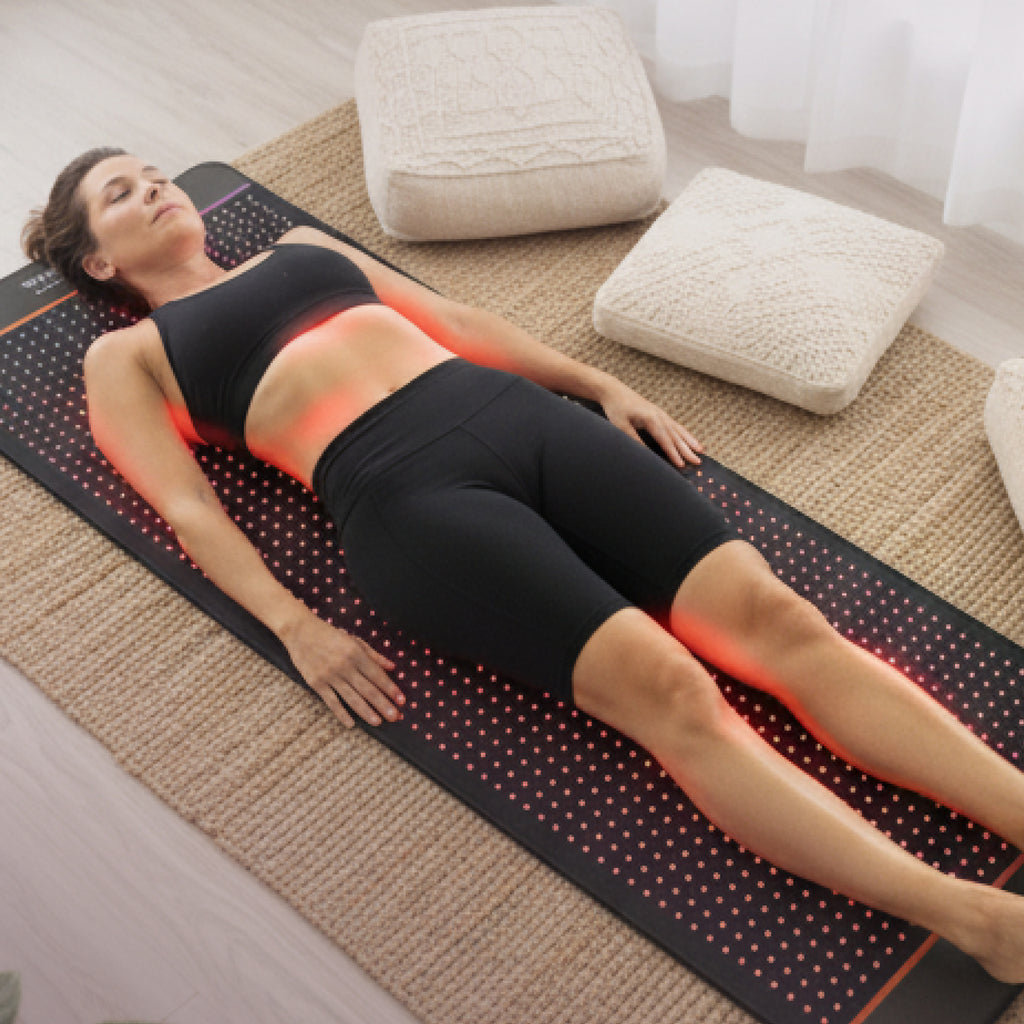
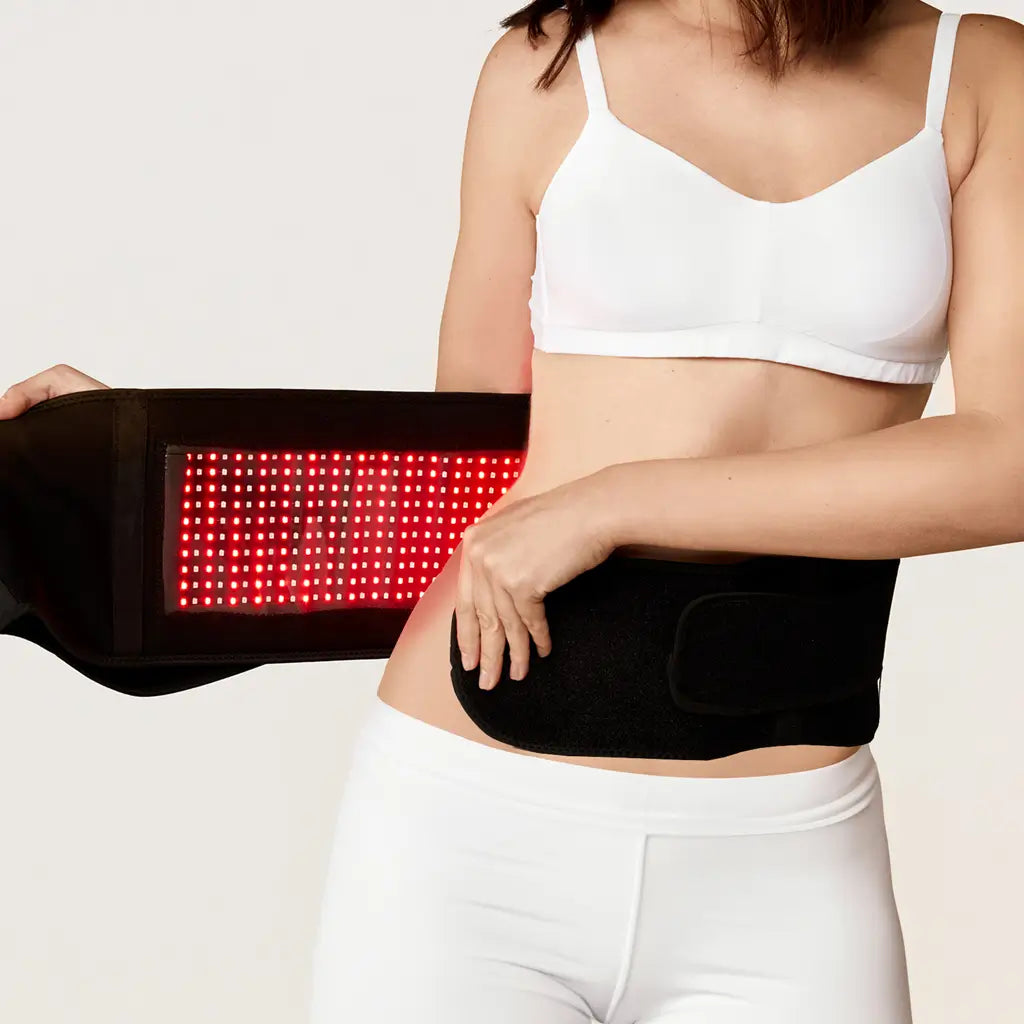
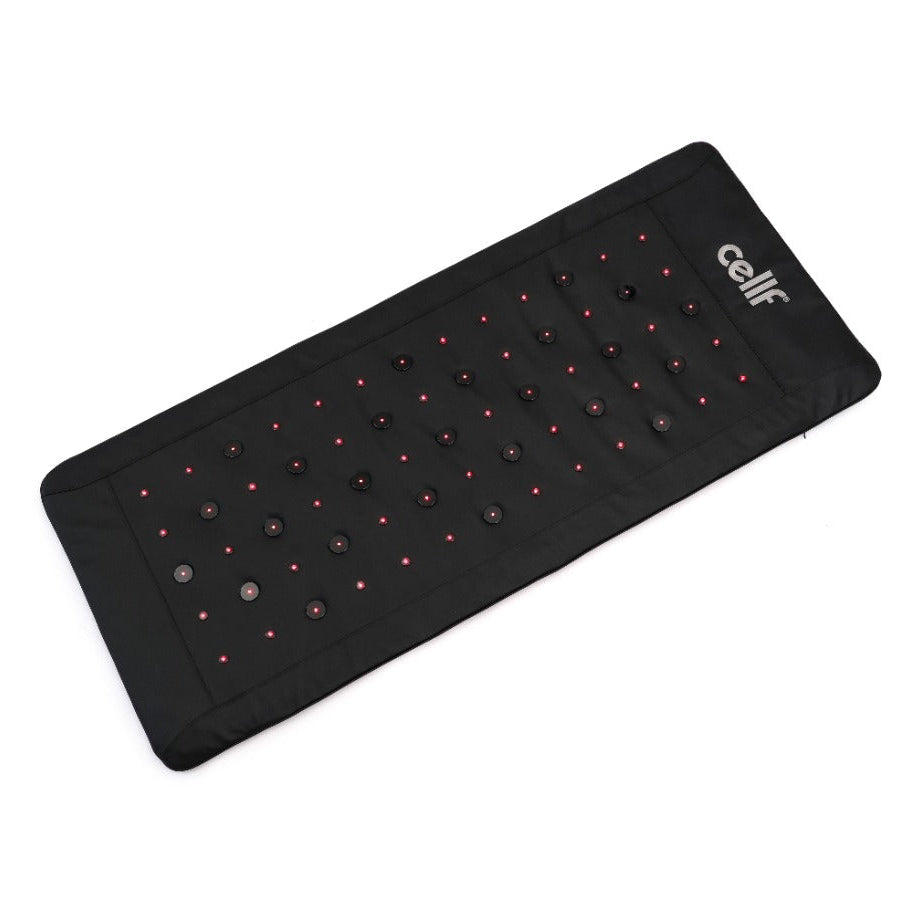
The evening version of this is worth building a ritual around: dinner in the right order, a short walk, and then twenty minutes lying on the Cellf Multi-Therapy Mat or wrapped in the warmth of the LipoWrap while the day winds down. Food gets your body into the right state. Light and warmth help it stay there. On the nights you want the full-body version, the LipoMat is the one to lie down on.
Questions people ask about this
Does eating carbs last work if you don't have diabetes? The trials were done in people with type 2 diabetes because that's where the effect is easiest to measure. The mechanism, fiber and protein slowing how fast sugar reaches the blood, is the same in everyone, so healthy people see a smaller version of the same thing. Steadier energy after lunch is the part most people notice first.
Do I have to eat the vegetables completely before touching anything else? No. Start with them and finish with the starch. The 2017 trial's "carbs last" group ate vegetables and protein together, then carbs ten minutes later, and still saw the full effect.
How long should I walk after eating? In the research, as little as two to five minutes of light walking made a measurable difference, and the benefit grows with longer, gentler walks. Ten to fifteen minutes is a good target if you have it. Pace doesn't matter much; moving does.
Is cooled rice really better than fresh? Cooling cooked rice or potatoes converts some of the starch into resistant starch, which your body digests more slowly. Reheating keeps most of it. The difference isn't dramatic, but it's free, so a rice salad or a reheated batch is a small win.
Sources
-
Shukla AP, Iliescu RG, Thomas CE, Aronne LJ. Food order has a significant impact on postprandial glucose and insulin levels. Diabetes Care, 2015;38(7):e98–e99.
-
Shukla AP, et al. Carbohydrate-last meal pattern lowers postprandial glucose and insulin excursions in type 2 diabetes. BMJ Open Diabetes Research & Care, 2017;5:e000440.
-
Buffey AJ, et al. The acute effects of interrupting prolonged sitting time in adults with standing and light-intensity walking on biomarkers of cardiometabolic health: a systematic review and meta-analysis. Sports Medicine, 2022;52:1765–1787.
About the author
Jessica Charles is the founder of NuShape and Cellf, two wellness brands built around a simple idea — that restoring cellular health is the foundation of lasting energy, balance, and beauty.
Drawing from years of experience in red-light therapy, infrared heat, and natural recovery technologies, she helps women — and the wellness centers that serve them — bridge the gap between science and daily practice.
Her work focuses on helping the body do what it's designed to do: repair, rebalance, and renew. Through accessible, evidence-based tools like light, heat, and cold, she's seen thousands of women regain energy, stability, and confidence in their own biology.
Jessica believes true wellness isn't about extremes — it's about creating the right conditions for the body to remember how to heal itself.
The Fine Print (Yes, We Have to Say It)
We read the studies so you don't have to, but sharing research about light, the body, and wellness now comes with a mandatory footnote, thanks to the big tech giants. So here it is: this article is for educational purposes only and is not medical advice. Our devices are wellness tools, not medical devices, and are not intended to diagnose, treat, cure, or prevent any disease. Results vary from person to person. Please check with your healthcare provider before starting anything new, especially if you're pregnant, nursing, managing a health condition, or taking medication. Now go forth, stay curious, and get some good light.
Shop the LipoWrap | Shop the Cellf Multi-Therapy Mat | Shop the LipoMat