Joint pain has a way of changing your routine before you even realize it. You stop taking the stairs. You avoid certain workouts. You sleep differently because of a shoulder, hip, knee, or back that never quite feels right.
That is why red and near-infrared light therapy have become so interesting for arthritis and joint pain: they offer a non-invasive way to work directly with the tissue around the area that hurts.
And unlike a lot of wellness trends, there is real research behind it.
The short answer
Red and near-infrared light therapy may help reduce pain and support function in people with certain types of joint pain, particularly knee osteoarthritis.
The strongest research is around photobiomodulation, which uses specific wavelengths of light to influence cellular energy, circulation, and inflammatory signaling.
Near-infrared light is particularly relevant for joints because it penetrates more deeply than visible red light.
If your discomfort is spread across several areas, a full-body device may make the most sense. If one knee, shoulder, hip, or area of your back is the problem, targeted treatment is usually more practical.
Why near-infrared light matters for joints
Red light and near-infrared light are often grouped together, but they behave differently in the body.
Red light, generally in the 600 nm range, is absorbed more strongly in superficial tissue.
Near-infrared light, commonly in the 800 nm range, penetrates deeper into tissue, making it more relevant when the target is muscle, connective tissue, or a joint rather than the surface of the skin.
Once absorbed, photobiomodulation can influence cellular pathways involved in mitochondrial function and ATP production.
ATP is the usable energy cells rely on for normal function, repair, and signaling.
Light can also influence nitric-oxide signaling and local circulation.
That is why light therapy for joint pain is not simply about “warming up” the area. The biological effects are happening at the cellular level.
What does the research show?
Knee osteoarthritis is one of the better-studied areas.
A 2024 systematic review and meta-analysis looked at 10 placebo-controlled studies involving 542 people with knee osteoarthritis. Photobiomodulation significantly reduced pain at rest compared with placebo and showed potential improvement in disability.
The researchers were also careful to point out that the certainty of the evidence is still limited because studies vary in quality, dose, wavelength, and treatment protocol.
An earlier 2019 systematic review also found improvements in pain and disability in knee osteoarthritis when low-level laser therapy was used within certain treatment parameters.
So the evidence is promising, but the responsible way to look at it is this:
Red light therapy may be a useful part of a joint-pain plan. It should not be treated as a cure or as a replacement for movement, strength, physical therapy, or appropriate medical care.
Which treatment format makes more sense for you?
This is where the decision becomes much simpler.
If pain is widespread: full-body treatment
If you regularly deal with soreness across your back, hips, legs, or multiple joints, treating one small area at a time can become tedious.
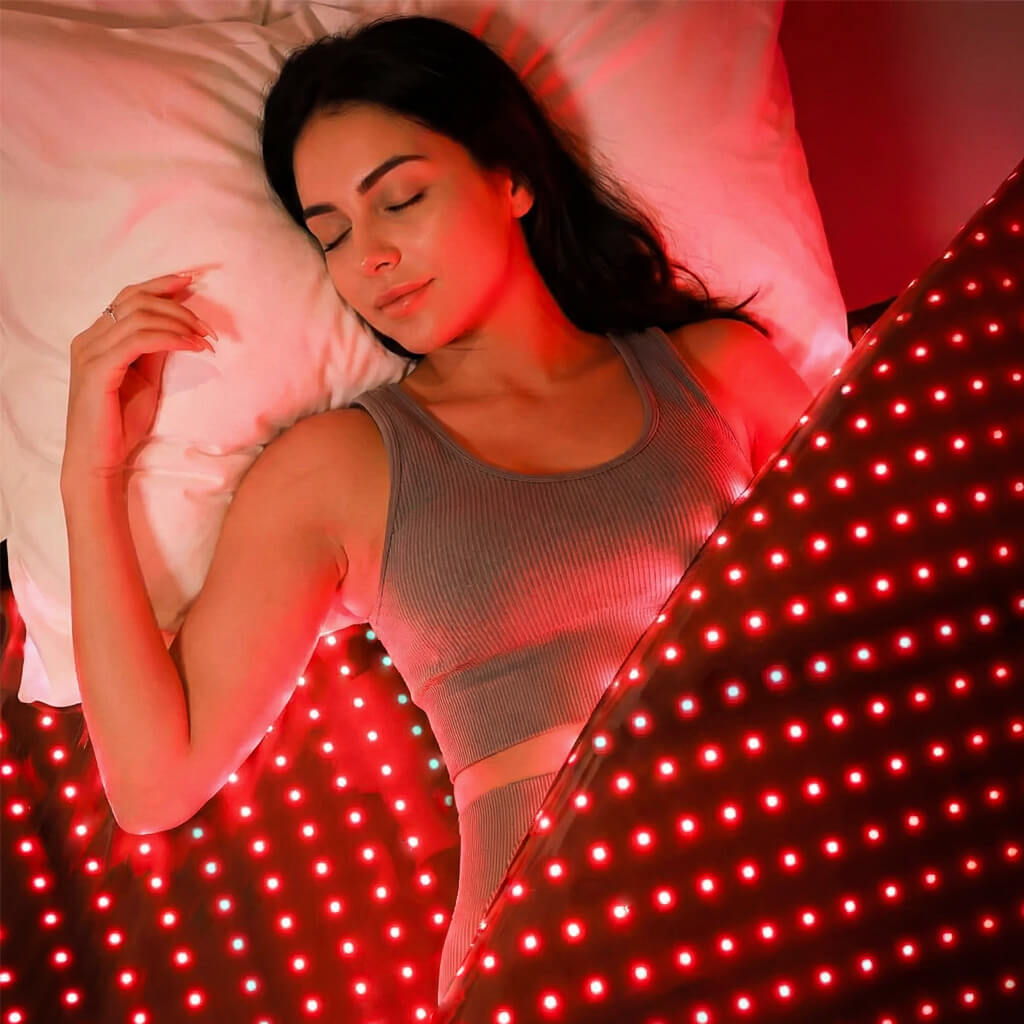
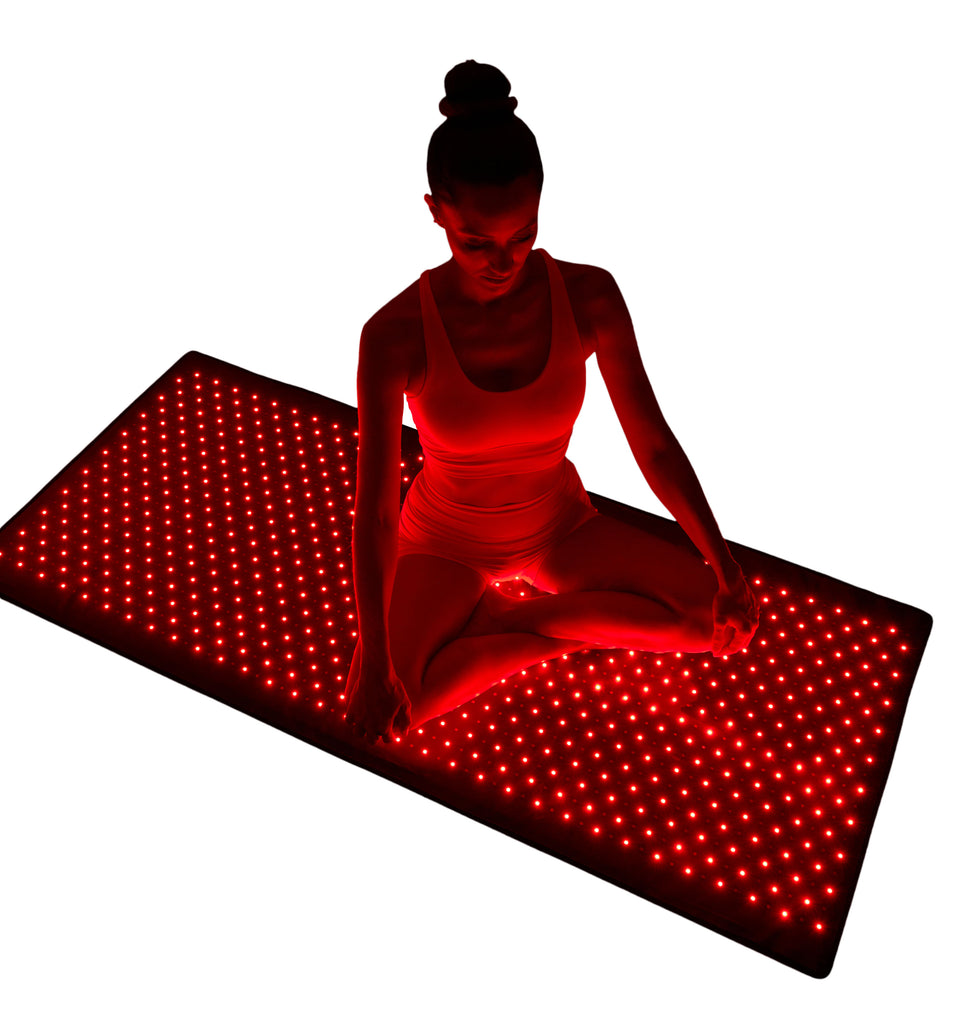
A full-body mat lets you treat a much larger surface area in one session.
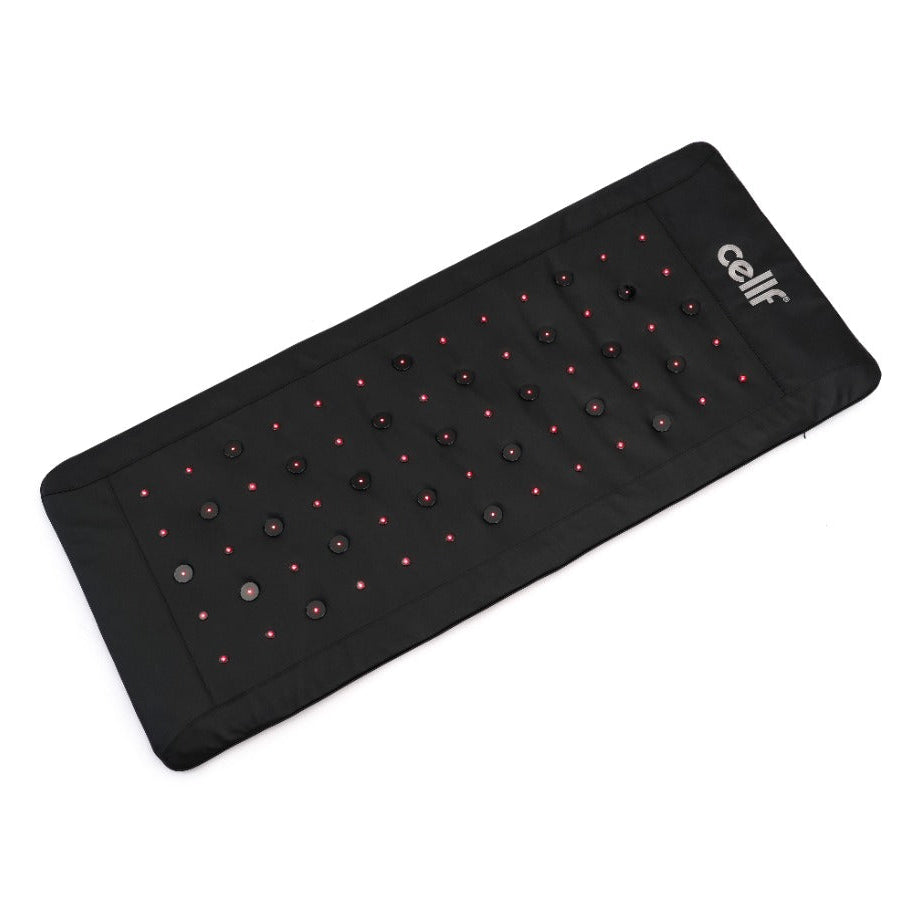
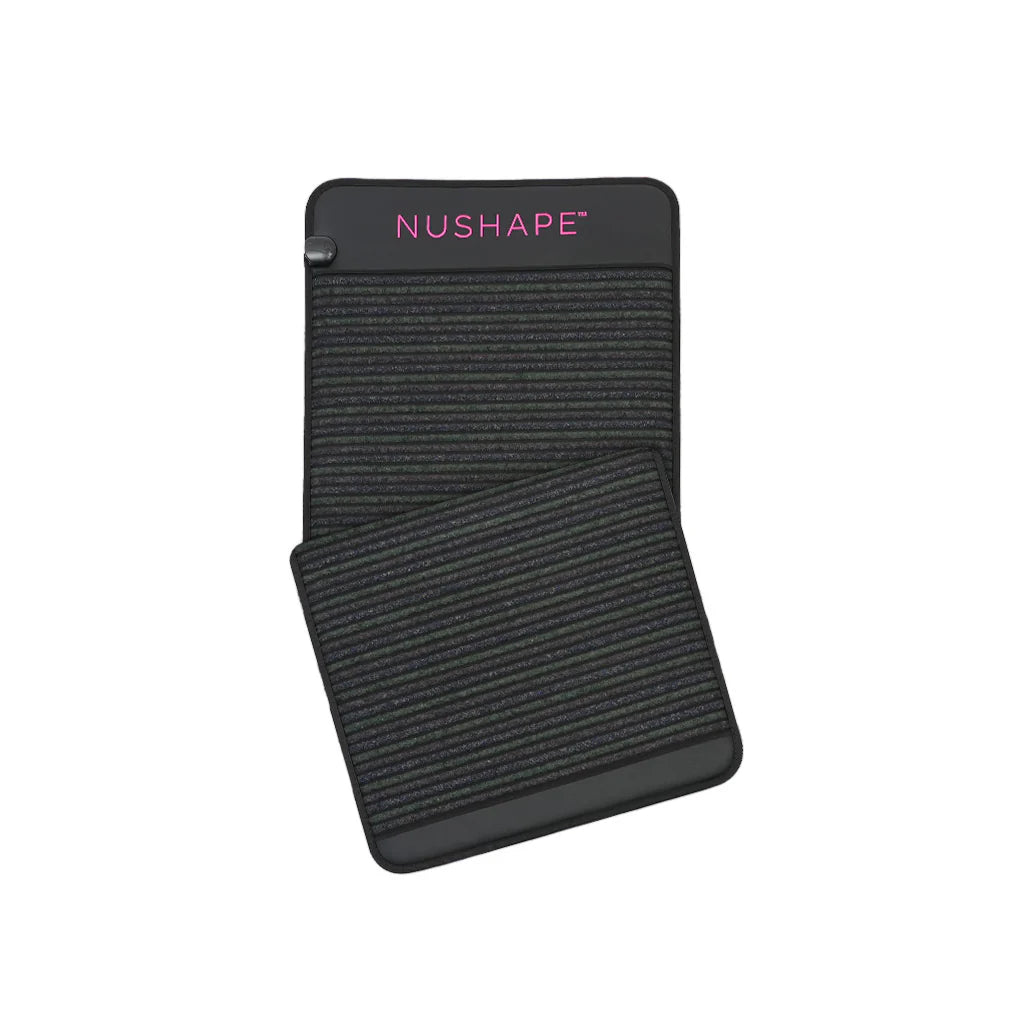
The NuShape Red Light Therapy Mat combines 660 nm red light and 850 nm near-infrared light across a full-body treatment area. The Cellf Multi Therapy Mat has added PEMF and Light Therapy. The Nushape Infrared PEMF Mat is PEMF and infrared heat.
It is the better fit when the goal is broader recovery, general stiffness, or multiple areas rather than one isolated joint.
Best for: whole-body soreness, back and hip discomfort, post-workout recovery, or multiple problem areas.
If one area bothers you most: targeted treatment
If the problem is mostly one knee, one shoulder, your lower back, or another specific area, a wearable device can keep the treatment directly over the tissue you want to reach.
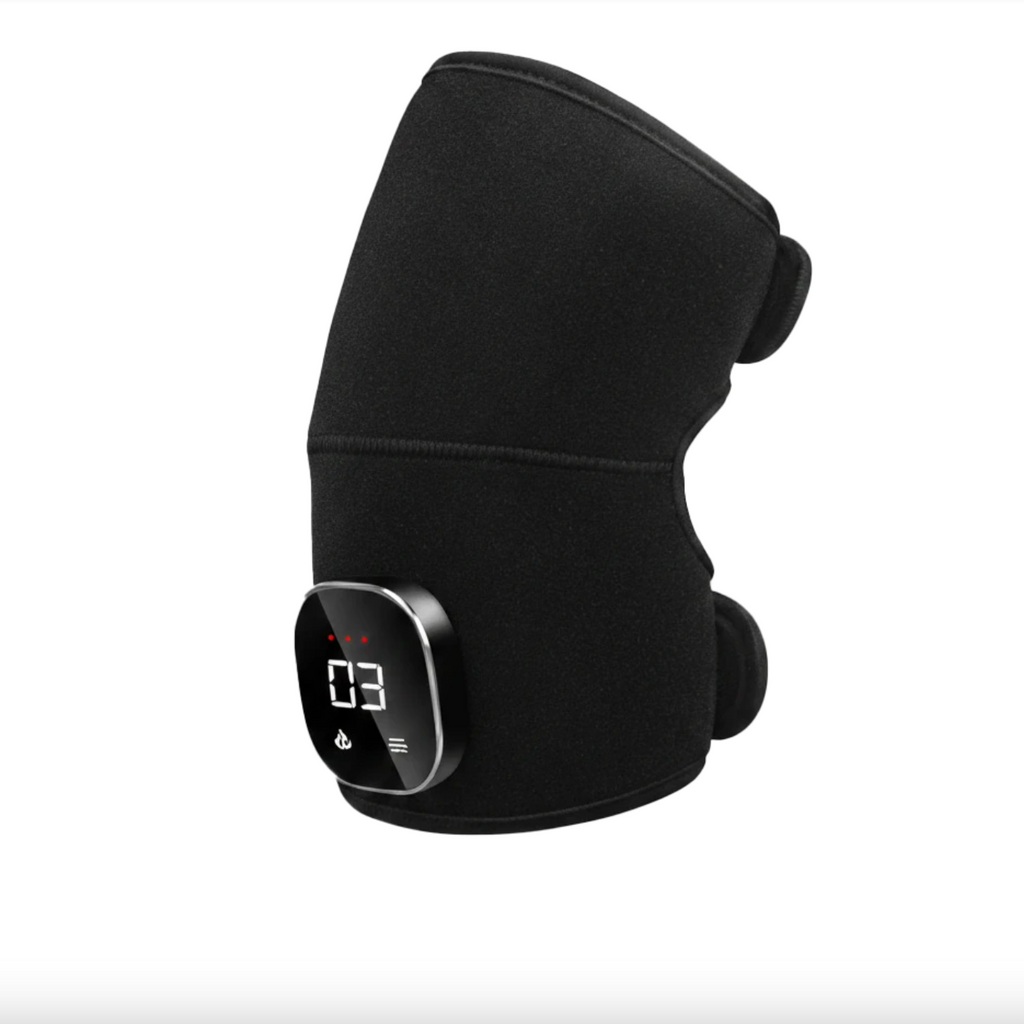
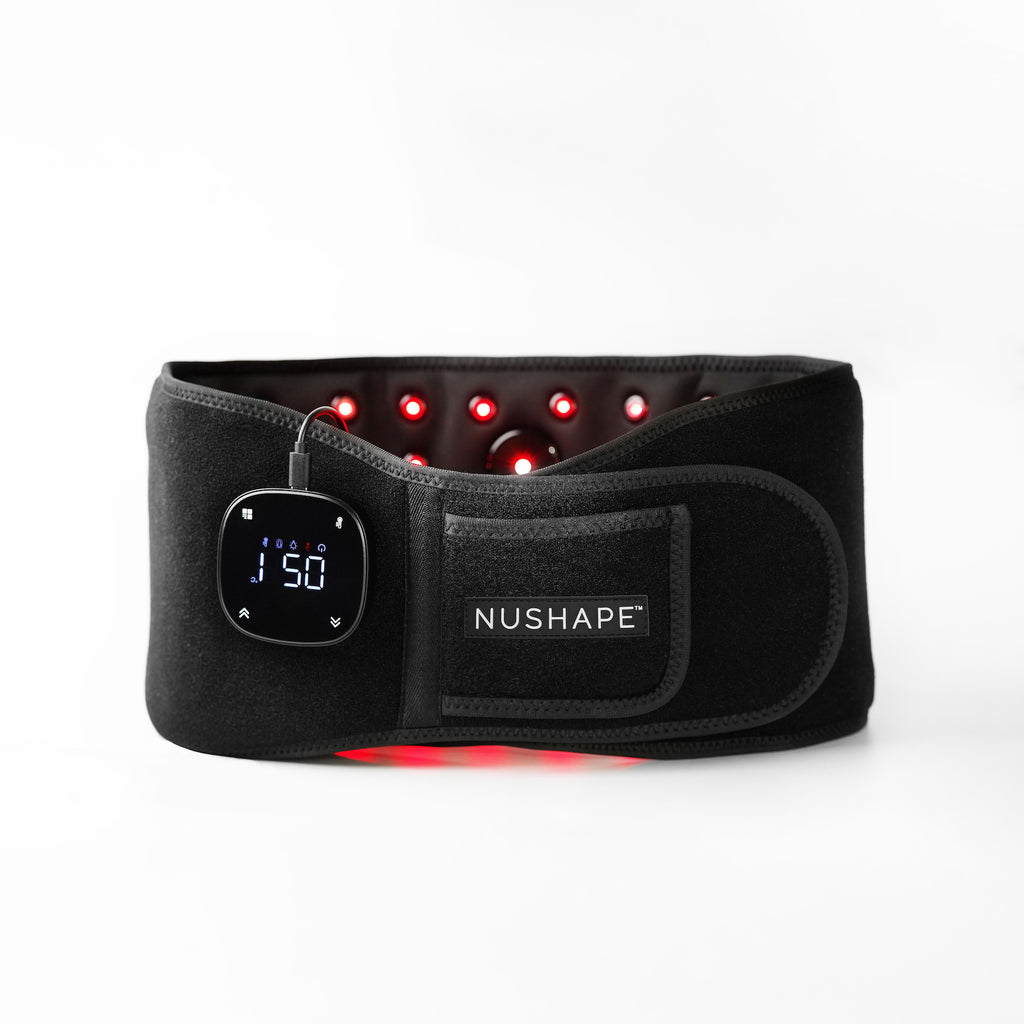
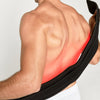
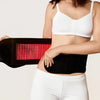
The NuShape Therapy Wrap Pulse combines red light, near-infrared light, PEMF, and adjustable infrared heat in a flexible wrap that can be secured directly around the area being treated.
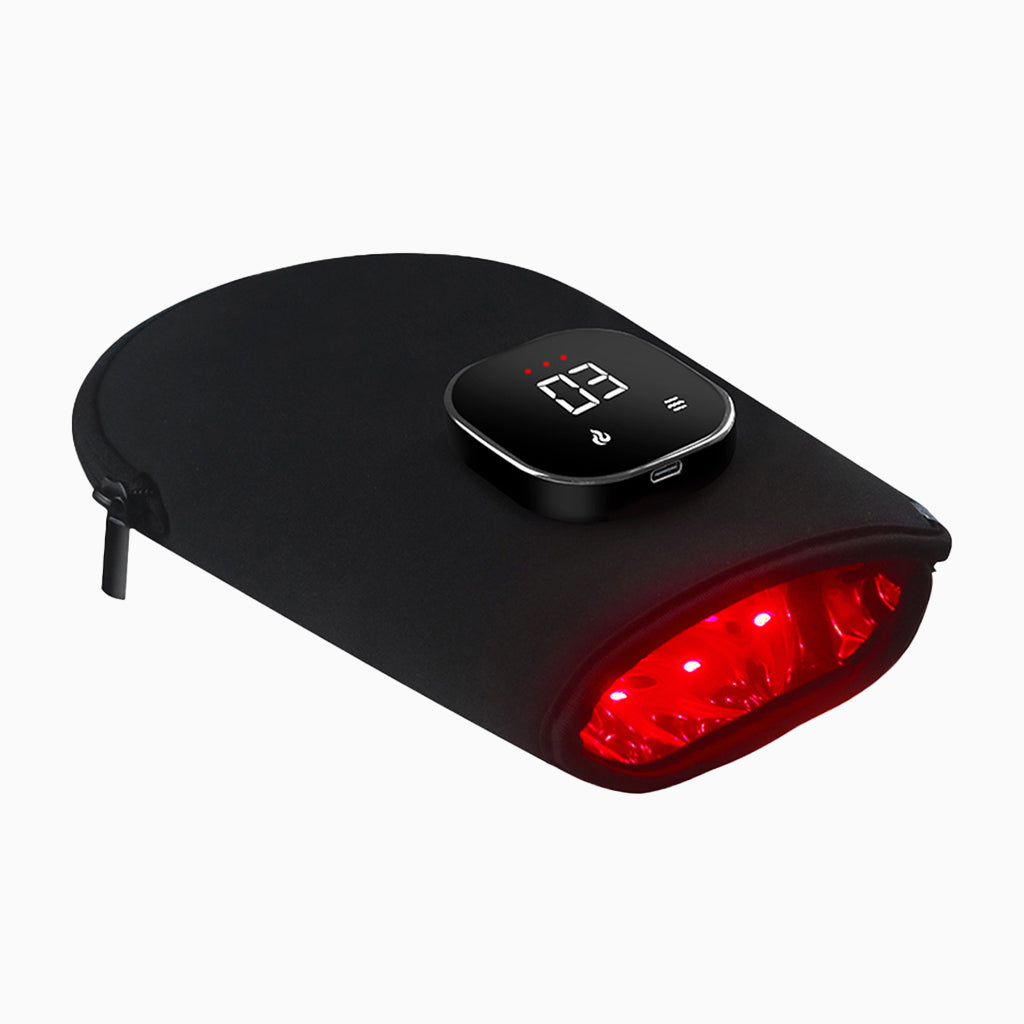
Best for: knees, shoulders, hips, lower back, and other targeted areas. The Nushape LED Knee Wrap and Nushape LED Glove are great for small joints, have built in battery pack and are very portable.
The choice is less about which technology is “better” and more about how much of your body you actually need to treat.
What is happening inside an arthritic joint?
Osteoarthritis is often described as simple “wear and tear,” but the biology is more complicated.
Cartilage changes are part of the process, but pain can also involve the tissue surrounding the joint, underlying bone, muscles, tendons, inflammatory signaling, and the nervous system itself.
That is why two people with similar-looking X-rays can experience very different levels of pain.
And it is why joint-pain management usually works best when it addresses more than one factor.
Movement matters. Strength matters. Sleep matters. Previous injuries matter. Inflammation and overall activity levels matter.
Light therapy is another input into that system.
Why relief may continue after treatment
One of the more interesting findings in earlier knee-arthritis research is that improvements did not always disappear when treatment stopped.
In some trials, pain continued to improve in the weeks after the treatment period.
That matters because photobiomodulation is not intended to work like a numbing cream.
You are not simply switching off pain for a few hours.
Instead, light appears to trigger biological responses within the treated tissue, and some of those processes may continue after the session ends.
That does not mean everyone will experience the same result. It does explain why consistency across several weeks is more meaningful than judging the technology after one use.
What about other kinds of joint and muscle pain?
Researchers have studied photobiomodulation across a range of musculoskeletal conditions, including:
-
Neck pain
-
Back pain
-
Tendinopathy
-
Muscle soreness
-
Soft-tissue injuries
-
Fibromyalgia
-
Athletic recovery
A major systematic review of low-level laser therapy for chronic neck pain, for example, found improvements compared with placebo, with benefits in several studies persisting after treatment ended.
These conditions are not interchangeable, and neither are the protocols used to treat them.
But together, the research helps explain why red and near-infrared light have moved into physical therapy clinics, recovery centers, and home wellness routines.
Red light therapy vs. infrared heat
These are not the same thing.
Red and near-infrared photobiomodulation use specific wavelengths of light to influence cellular pathways.
Infrared heat primarily warms tissue.
Heat can feel especially good on stiff muscles and joints because it may help increase local blood flow and reduce tension.
Near-infrared light can work without producing a strong heating sensation.
Some recovery devices combine both because they offer different effects.
That is also why it is worth looking beyond the word “infrared” when comparing products. One device may mean heat. Another may mean near-infrared LEDs. Some may include both.
Where PEMF fits in
PEMF stands for pulsed electromagnetic field therapy.
Instead of using light, PEMF devices generate controlled electromagnetic pulses.
Research has explored PEMF for musculoskeletal pain, cellular signaling, bone health, recovery, and inflammation, although the evidence varies by condition and treatment protocol.
This is why combining PEMF with light and heat can be useful in targeted recovery.
They are three distinct technologies:
Red and near-infrared light — photobiomodulation
Infrared heat — tissue warming
PEMF — pulsed electromagnetic stimulation
The Therapy Wrap Pulse combines all three so they can be used over the same area during one session.
How often should you use red light therapy for joint pain?
There is no universal protocol.
Clinical studies use different wavelengths, treatment doses, session lengths, and schedules.
That is why the best rule is simple:
Follow the protocol designed for your device.
More light is not automatically better. Photobiomodulation has a dose-response relationship, so the goal is an effective dose rather than the longest possible session.
Consistency matters much more.
A knee or shoulder that has been bothering you for months is unlikely to respond meaningfully to one random treatment every few weeks.
Think of light therapy the way you would think about physical therapy or strength work: the routine matters.
What else should be part of a joint-pain routine?
Red light therapy works best as part of a bigger picture.
Depending on the cause of your pain, that may include:
-
Strength training
-
Mobility work
-
Physical therapy
-
Maintaining a healthy body weight
-
Adequate protein and nutrition
-
Good sleep
-
Appropriate pain management
-
Medical evaluation when needed
One of the biggest problems with chronic joint pain is that it can gradually reduce movement.
And in many cases, appropriate movement and strength are exactly what help preserve function.
A recovery tool is most useful when it helps you keep doing the things that support the joint long term.
What to look for in a joint-recovery device
Near-infrared light
If the target is muscle or joint tissue, near-infrared wavelengths are particularly relevant because they penetrate more deeply than visible red light.
Enough coverage
Match the device to the size of the area you want to treat.
A small device may work well for one knee. It makes much less sense for an entire back.
A format you will actually use
Consistency beats complexity.
If you want broad recovery, lying on a mat may be easiest. If one area consistently bothers you, a wrap may be more practical.
Clear specifications
You should be able to see the wavelengths, treatment time, and technology being used without digging through marketing language.
So, does red light therapy work for arthritis and joint pain?
The research suggests that photobiomodulation may reduce pain and support function in people with knee osteoarthritis, with encouraging evidence in other areas of musculoskeletal pain as well.
It is not a cure for arthritis.
It is also not meant to replace strength, movement, physical therapy, or medical treatment when those are needed.
The more useful way to think about it is as another recovery signal.
Movement provides one kind of input.
Strength training provides another.
Sleep gives your body the time to rebuild.
Red and near-infrared light work through cellular and circulatory pathways that are different from all three.
For someone managing stiffness, soreness, an aging joint, or ongoing training recovery, that can make light therapy a very useful tool to have at home.
Frequently Asked Questions
Is red light therapy good for arthritis?
Research is most promising for knee osteoarthritis. Studies have found reductions in pain, although the overall certainty of the evidence remains limited. It is best considered a complementary therapy rather than a stand-alone treatment.
Is red or near-infrared light better for joint pain?
Near-infrared light penetrates more deeply than visible red light, making it particularly relevant for muscle and joint tissue. Many devices use both.
Can red light therapy reduce inflammation?
Photobiomodulation can influence inflammatory signaling, but inflammation is complex and varies by condition. Red light should not be treated as a universal anti-inflammatory cure.
How long does red light therapy take to help joint pain?
Responses vary. Some people notice changes in comfort relatively quickly, while research protocols commonly involve repeated treatment over several weeks.
Is infrared heat the same as red light therapy?
No. Infrared heat primarily warms tissue. Red and near-infrared photobiomodulation use specific wavelengths to influence cellular pathways. Some devices combine both.
Should I choose a red light mat or a wrap?
Choose based on the treatment area. A full-body mat makes more sense for widespread soreness or several problem areas. A wearable wrap is better when you want to concentrate treatment around one knee, shoulder, hip, or area of the back.
References
Oliveira S, et al. Effectiveness of Photobiomodulation in Reducing Pain and Disability in Patients With Knee Osteoarthritis: A Systematic Review With Meta-Analysis. Physical Therapy. 2024.
Stausholm MB, et al. Efficacy of Low-Level Laser Therapy on Pain and Disability in Knee Osteoarthritis: Systematic Review and Meta-Analysis of Randomised Placebo-Controlled Trials. BMJ Open. 2019.
Chow RT, et al. Efficacy of Low-Level Laser Therapy in the Management of Neck Pain: A Systematic Review and Meta-Analysis of Randomised Placebo or Active-Treatment Controlled Trials. The Lancet. 2009.
Choose the treatment that fits the way you hurt
Multiple areas or full-body recovery: Explore the NuShape Red Light Therapy Mat →
One knee, shoulder, hip, back, or targeted area: Explore the Therapy Wrap Pulse →