Is Your Ponytail Getting Thinner? Hair Loss in Your 40s and Beyond
It usually starts with something small.
Your ponytail wraps around one more time than it used to. Your part looks a little wider under the bathroom light. There's more hair in the shower drain, on your brush, on your pillow. Maybe you've started styling your hair differently to hide a spot near the crown, and you're not quite sure when that started.
If this sounds familiar, you are in very good company, and you are not imagining it.
In a 2022 study published in the journal Menopause, more than half of postmenopausal women, 52.2%, had female pattern hair loss. And 60% of the women in that study had low self-esteem, which rose as their hair loss became more noticeable.
That second number matters to me just as much as the first. Hair is tied up with how we see ourselves. When it changes, it can shake our confidence in a way that's hard to explain to anyone who hasn't felt it.
So let's talk about what's actually happening, and what you can do about it.
Why hair changes in your 40s
Estrogen has been protecting your hair all along
Your hair follicles have estrogen receptors. Through your 20s and 30s, estrogen helps keep hair in its growth phase longer, which is why many women have their thickest, fullest hair during pregnancy, when estrogen is high.
As estrogen begins to decline in perimenopause, that protection fades. Hair spends less time growing and more time resting and shedding. At the same time, the balance between estrogen and androgens (the hormones often called male hormones, which women have too) shifts. In follicles that are sensitive to androgens, this can cause them to gradually shrink, producing finer, shorter, weaker strands with each cycle.
Hair diameter also naturally peaks around your mid-40s and then starts to decline. Fewer hairs plus thinner strands adds up to a big visual difference, even when it happens slowly.
Your hair keeps receipts
One of the most confusing things about hair loss is the delay. Hair follicles respond to stress, illness, surgery, crash diets, and major life upheavals, but the shedding usually shows up two to three months later. By the time your hair is falling out, you may have forgotten the stressful season that triggered it.
In your 40s, many of us are juggling aging parents, teenagers, demanding careers, broken sleep, and hormonal swings all at once. Your hair notices all of it.
Which kind of hair loss do you have?
Not all thinning is the same, and knowing which pattern you're dealing with helps you respond the right way.
A slowly widening part or thinning at the crown. This is the classic pattern of female pattern hair loss. It's gradual, it's often hereditary, and it tends to accelerate around perimenopause and menopause. Your hairline usually stays intact while the top and crown get sparser.
Sudden, all-over shedding. If you're suddenly losing handfuls of hair from all over your head, that's often stress-related shedding (telogen effluvium). It usually traces back to a trigger two to three months earlier, and it often recovers once the trigger is addressed.
A mix of both. Very common in perimenopause. A stressful season can unmask or speed up gradual thinning that was already starting.
When to see your doctor: If your hair loss is sudden or patchy, if your scalp is red, scaly, itchy, or painful, or if you have other symptoms like fatigue, feeling cold, or heavy periods, please get checked. Ask about your iron stores (ferritin), thyroid, and vitamin D. Low iron and an underactive thyroid are two of the most common hidden causes of hair loss in women, and both are very fixable.
What the research says about red light and women's hair
Red light therapy for hair growth has been studied for decades. Here are the studies I find most compelling for women, and most relevant to the wavelengths in our Laser Cap.
Red light works for women, not just men. In a double-blind, randomized, placebo-controlled trial published in Lasers in Surgery and Medicine, women with female pattern hair loss used a red light cap at around 655nm. The women using the real device saw a 37% increase in hair growth compared with the placebo group, a rate the researchers noted was similar to results seen in men. No side effects were reported.
660nm grew more hair, and thicker hair. In a 24-week, placebo-controlled trial published in Lasers in Medical Science, 20 women and 20 men used a 660nm red light helmet at home for 20 minutes, three times a week. The light group gained more than two and a half times as much hair density as the placebo group, and their individual strands grew noticeably thicker. Women and men responded equally well. For anyone watching her hair get finer, that thickness finding matters just as much as the hair count.
Red plus near-infrared, in women in their 40s. In a 24-week study published in the Indian Journal of Dermatology, 49 adults, nearly half of them women, with an average age of 44.5, used a helmet combining red light and near-infrared light in the same ranges as our Laser Cap, for 20 minutes a day. Hair density and thickness both increased significantly. 73% saw an improvement in the overall look of their scalp, 65% noticed fewer hairs falling out, and their scalps became less oily too.
Why near-infrared belongs in the mix. Red light does the heavy lifting in most hair research, but near-infrared is showing real promise. In an animal study comparing wavelengths, near-infrared light at 830nm stimulated hair growth more than any of the red wavelengths tested. Pairing both gives your follicles the best of each.
Here's how researchers believe it works. Red and near-infrared light are absorbed by the mitochondria in your scalp and follicle cells, boosting the cellular energy (ATP) your follicles need to grow. It also supports circulation in the scalp, bringing more oxygen and nutrients to the follicle. Together, this appears to help follicles stay in their growth phase longer and coax resting follicles back into growing.
For women watching estrogen's protection fade, that's exactly the kind of support follicles need. (For a deeper look at how light works on follicles, read our earlier post on red light therapy for hair loss.)
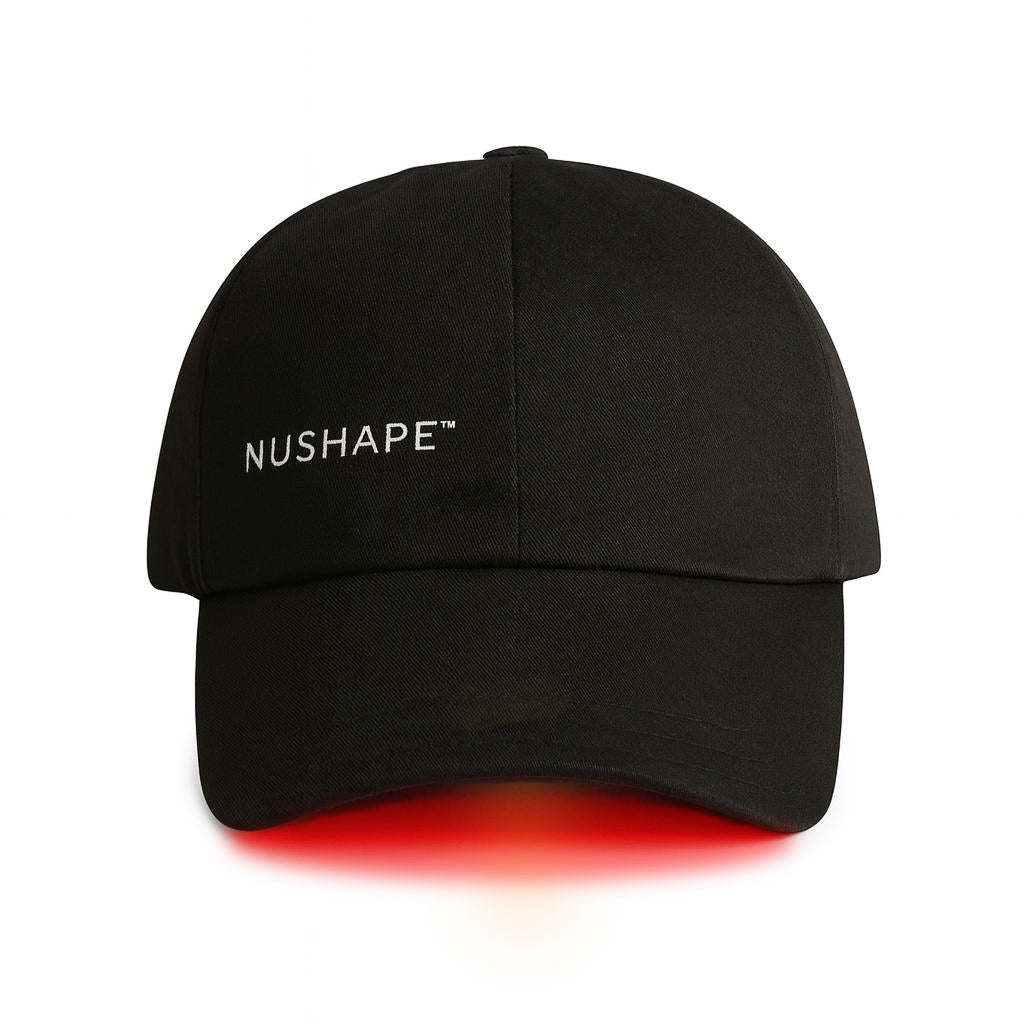
The NuShape Laser Cap
The NuShape Laser Cap was designed around the research, and for the routine you actually live, not the one you wish you had.
-
660nm red light, the exact wavelength used in the 2019 placebo-controlled trial, and within a few nanometers of the 655nm used in the women's trial
-
850nm near-infrared light, in the same near-infrared range as the 2023 study, to reach deeper and support cellular energy and scalp circulation
-
180 therapeutic-grade low-level lasers spread across the scalp for even coverage
-
20-minute sessions, the same session length used in the studies above
-
Completely cordless and rechargeable, with 4 to 6 hours of use per charge. Most laser caps keep you tethered to a wall. This one lets you read, journal, make breakfast, or answer emails while you wear it.
The 40+ Hair Routine
Light works best when the rest of your body is supporting your hair too. Here's the full routine I'd recommend to a girlfriend who came to me worried about her hair.
1. Wear the Laser Cap consistently
Wear the Laser Cap for 20 minutes at least three times a week, which is the schedule used in the 660nm trial, or daily if you'd like, as in the 2023 study. Always use it on a clean, dry scalp. Pair it with something you already do every day, like your morning coffee, journaling, or evening wind-down, so it becomes automatic.
2. Be patient, because results keep building
This is the hardest part, so I'll say it plainly. Hair grows in slow cycles. Most women notice less shedding first, then fine new baby hairs along the part and hairline, then fuller hair.
The encouraging news is how long the improvement keeps going. In a brand-new 12-month study published in Dermatologic Therapy, men and women using a red light helmet for 20 minutes, three times a week, saw hair density rise about 25% and strand thickness rise about 15% over a year. Density gains showed up around the four-month mark, thickness took closer to six months, and the improvement kept climbing through the entire year without leveling off. Women saw gains comparable to men's.
So take a photo of your part in the same light on day one, then once a month. Your photos will show you progress long before your mirror does.
3. Feed your follicles
Hair is made of protein, and your follicles are among the first places your body cuts back when nutrition is low. Eat protein at every meal, include iron-rich foods, and be wary of aggressive dieting, which is one of the most common triggers for shedding. Protein also helps steady the blood sugar swings behind those afternoon sugar cravings that get louder in your 40s.
4. Get your levels checked
Ask your doctor for ferritin, thyroid, and vitamin D tests if you haven't had them recently. No amount of light can fully make up for a follicle that's missing what it needs.
5. Treat your scalp like skin, because it is
Massage your scalp for a few minutes when you wash your hair to stimulate circulation. Wash regularly to keep follicles clear. And skip heavy oils and products right before your Laser Cap session, since they can block light.
6. Go gentle on styling
Tight ponytails, buns, and braids put constant tension on follicles that are already vulnerable. Try looser styles, silk or satin scrunchies, lower heat on your tools, and a silk pillowcase to reduce breakage overnight.
7. Calm the stress your hair is keeping score of
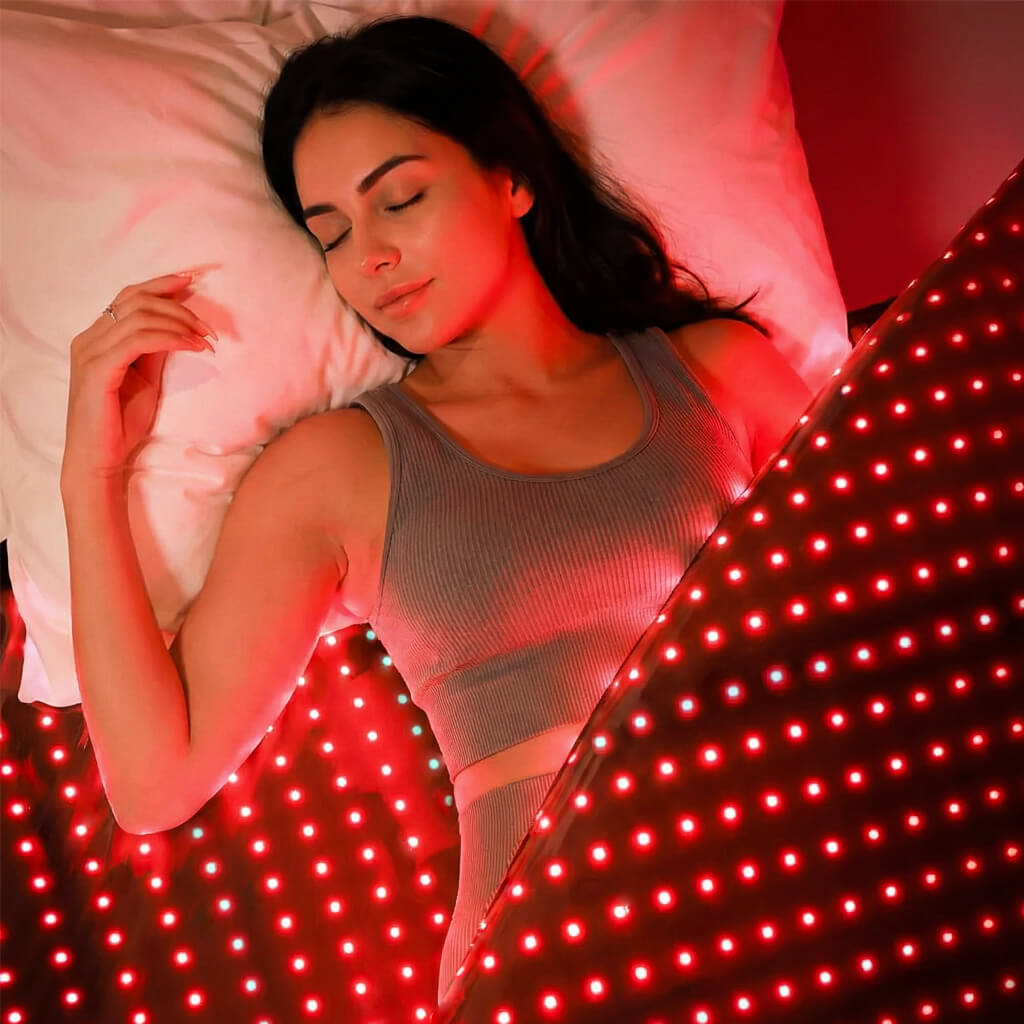
Remember, your hair keeps receipts. Chronic stress and poor sleep feed directly into shedding, so calming your nervous system is part of your hair routine, not separate from it.
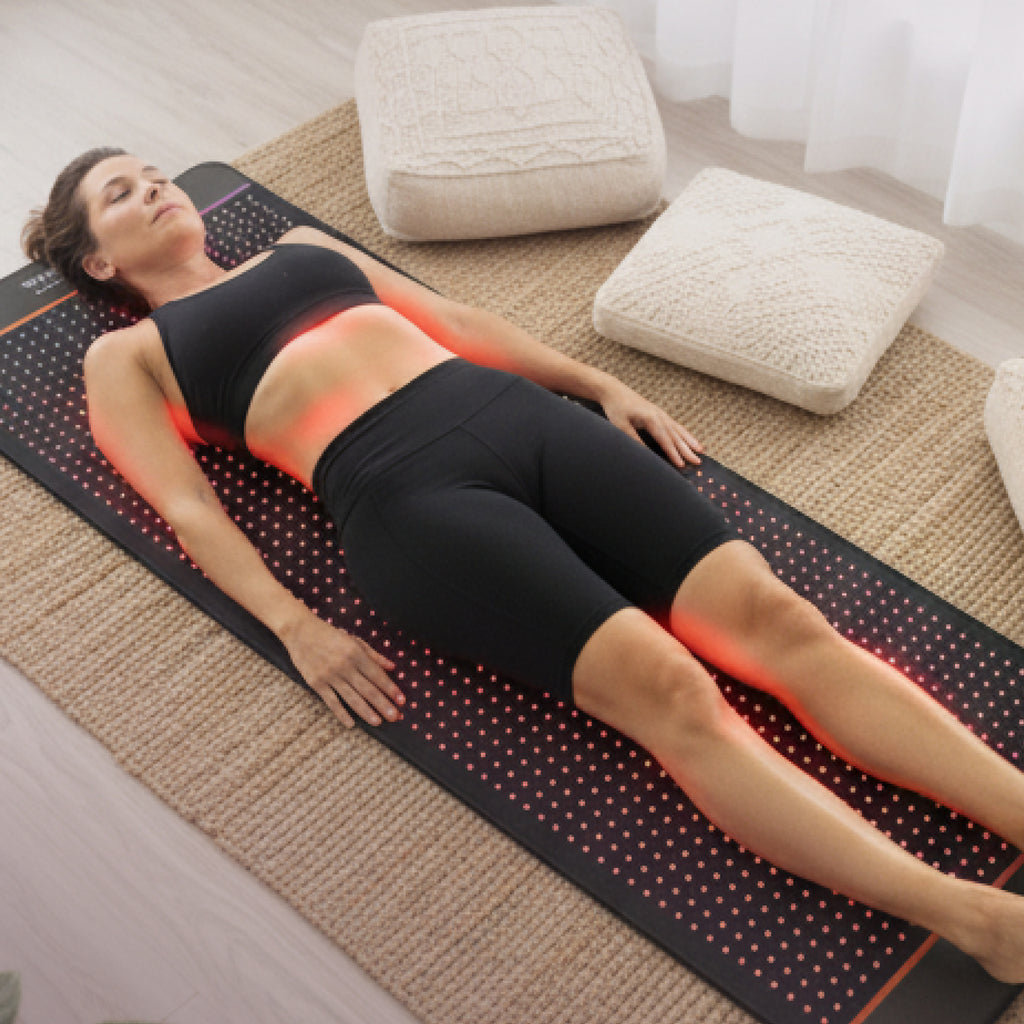
This is where the NuShape LipoMat earns its place. Twenty minutes on Mode 2, with its gentle 10 Hz pulse and adjustable warmth, is one of the most relaxing ways I know to end a stressful day. It eases the neck, shoulder, and upper back tension that so many of us carry, and it tells your body it's safe to rest. Wear your Laser Cap at the same time and you've turned two routines into one 20-minute ritual. (Our red light before bed post walks through the full wind-down.)
Your 40+ light ritual
Hair changes in your 40s rarely arrive alone. The same hormonal shift that thins your hair often brings a thicker waist, slower recovery, and broken sleep. If you're feeling all of it, here's how the three devices work together:
The Laser Cap for your hair: 20 minutes, at least three times a week, ideally during a quiet moment you already have.
The LipoMat for your whole body: Mode 2 in the evening to unwind and recover, Mode 3 when you need an afternoon energy lift.
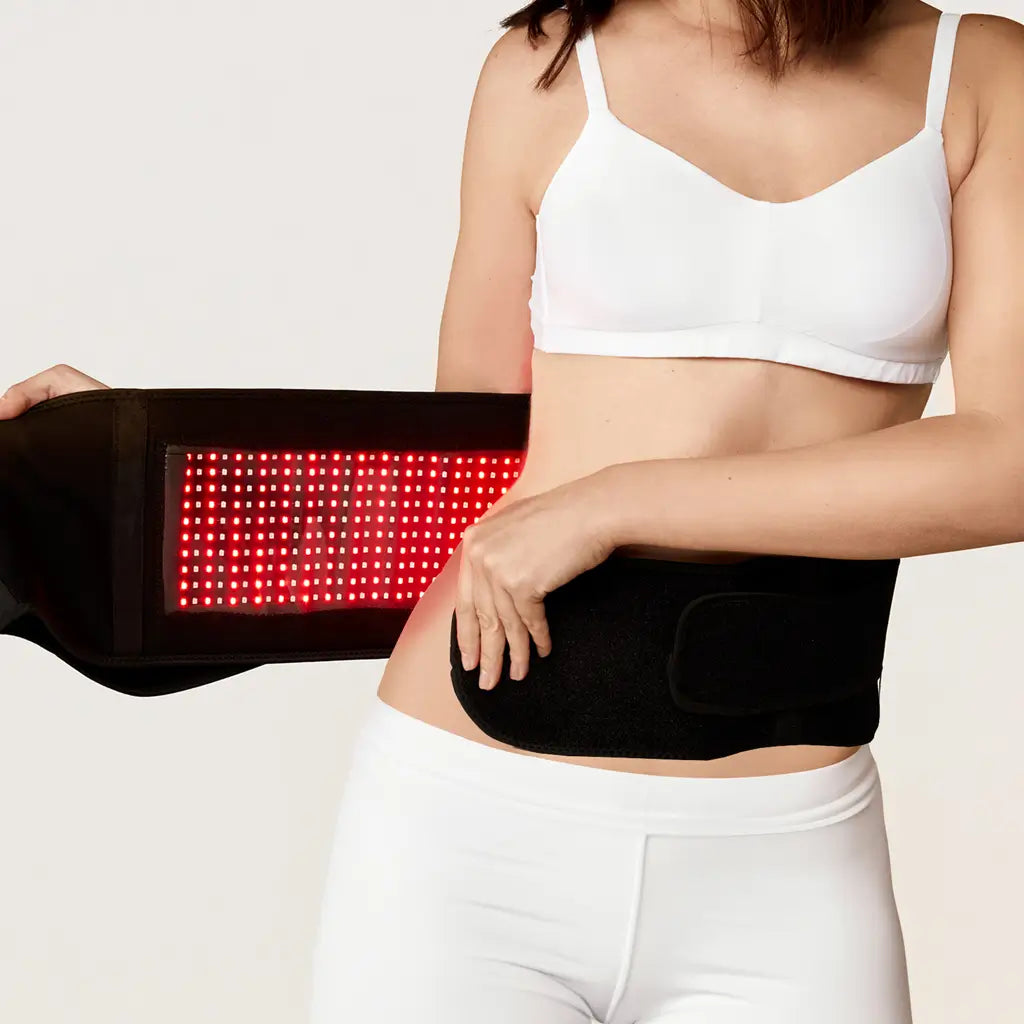
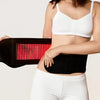
The LipoWrap for your midsection: 20 minutes on the lower belly before your biggest meal, if the perimenopause belly is part of your story too.
Lie on the LipoMat with your Laser Cap on, and you've covered your whole body and your scalp in a single session.
A note from me
I know how personal this is. Hair is part of how we recognize ourselves. When it starts to change, it can feel like one more thing about your body you didn't sign up for.
But thinning hair in your 40s isn't a verdict. It's information. Your follicles are telling you they need more support, and there's a lot you can do to give it to them: steady nutrition, a calmer nervous system, gentler styling, a few key blood tests, and light that helps your follicles do what they were built to do.
Start now, be patient with yourself, and take that day-one photo. I think you'll be glad you did.
With light,
Jessica
Shop the Laser Cap | Shop the LipoMat | Shop the LipoWrap
The Fine Print (Yes, We Have to Say It)
We read the studies so you don't have to, but sharing research about light, the body, and wellness now comes with a mandatory footnote, thanks to the big tech giants. So here it is: this article is for educational purposes only and is not medical advice. Our devices are wellness tools, not medical devices, and are not intended to diagnose, treat, cure, or prevent any disease. Results vary from person to person. Please check with your healthcare provider before starting anything new, especially if you're pregnant, nursing, managing a health condition, or taking medication. Now go forth, stay curious, and get some good light.