Red Light Therapy Before Bed: My 20-Minute Nervous System Reset
There's a moment most nights when I can feel it: my body is tired, but my mind is still running. Emails replayed. Tomorrow's to-do list rearranged for the fourth time. I'm lying in bed, technically resting, but nothing in me has actually switched off.
If you know that feeling, this post is for you.
For the past few years, I've ended almost every day the same way: twenty minutes of red light therapy before bed, combined with PEMF, in one wrap. It's the single habit that has done the most for my sleep, and it's become the most protected part of my day. Here's what I do, why it works for me, and how to build your own version.
Why "Tired but Wired" Happens
Sleep doesn't begin when you close your eyes. It begins when your nervous system decides it's safe to let go.
Most of us spend the day in a steady low hum of alertness: notifications, deadlines, traffic, screens. That state is useful when you need to get things done. The trouble is that it doesn't automatically turn off at bedtime. Your body needs a clear transition, a signal that the day is over.
Without that signal, we end up tired but wired: exhausted, yet unable to drop into deep, restorative rest.
I spent years in the healing world learning ways to create that transition through breath, sound, and touch. What I didn't expect was that a wearable device would become my most reliable one.
My 20-Minute Nervous System Reset
Here's my evening ritual, exactly as I do it.
1. Dim everything (about an hour before bed). I lower the lights and put screens away, or at least switch them to night mode. Bright, blue-toned light in the evening tells the body it's still daytime. Warm, low light tells it the opposite.
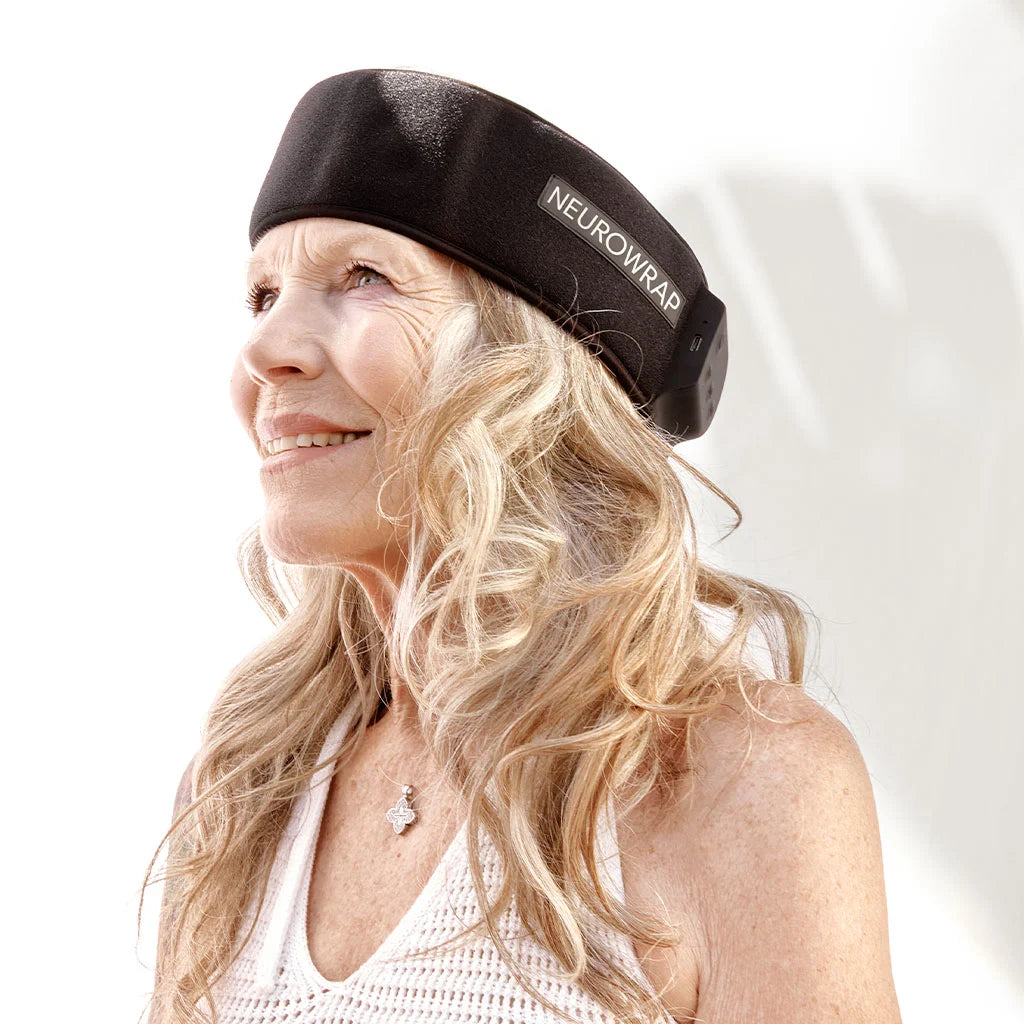
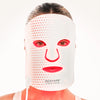
2. Wrap on, lie down. I place the NeuroWrap Pulse across my abdomen or mid-back and lie down somewhere comfortable, often in bed itself. The wrap combines red light and near-infrared with PEMF (pulsed electromagnetic field therapy), so I get both in one session without any setup.
3. Breathe with a longer exhale. For the full twenty minutes, I breathe slowly through my nose, making each exhale longer than the inhale. A simple count works: in for four, out for six. A longer exhale is one of the gentlest ways to invite the body into its rest-and-digest state.
4. Let it be boring. No podcast, no phone, no planning. The warmth of the light and the soft rhythm of the pulse become something to rest my attention on. Many people find this combination deeply calming, and for me the shift is noticeable. Somewhere around minute twelve, my shoulders drop and my thoughts slow down.
5. Straight to sleep. When the session ends, I don't go back to the day. Lights off, done.
Red Light Therapy vs. PEMF for Sleep: Why I Use Both
People often ask whether red light therapy or PEMF is better for sleep. For me, the answer is both, because they support different parts of the same process.
Red light and near-infrared work at the cellular level, supporting the body's natural energy and recovery processes, which are exactly what sleep is for. PEMF works with the body's own electrical rhythms, and it's the part many people describe as grounding or settling.
Put simply, red light supports the body's recovery and PEMF helps the mind slow down enough to let it happen. Having both in one wrap means one short ritual instead of juggling several devices at the end of a long day.
The Real Secret: Consistency
The wrap is a tool. The ritual is what makes it work.
Your nervous system learns through repetition. When you do the same thing, at roughly the same time, in the same way, night after night, your body starts to anticipate sleep before you even lie down. The ritual itself becomes the signal.
This is also why I bring it everywhere. On the road, a consistent bedtime routine matters even more, which is why it's the foundation of my travel recovery ritual too.
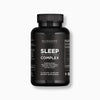
The wrap is my every-night constant. But some nights, sleep is at risk before I even lie down: a noisy hotel, a late flight, a new time zone, a head too full after a big day. On those nights, I reach for my Sleep Kit: earplugs, an EMF-blocking nightcap, a light-blocking eye mask, and a melatonin-free sleep complex. I don't need it every night, but when I do, it's there.
A cool, dark bedroom helps every night. And on evenings when I want more guidance, I turn to the Deep Sleep module from our Wellness Workshop.
How to Build Your Own Bedtime Routine for Better Sleep
You don't need to overhaul your life. Start small:
-
Choose a start time and keep it consistent, even on weekends if you can.
-
Dim lights and put screens away for the last hour of your evening.
-
Do twenty minutes of red light therapy with slow, long-exhale breathing.
-
Go straight to bed afterward. Don't reopen the day.
-
Give it two weeks before you judge it. Rituals build over time.
Sleep isn't something you can force. But you can create the conditions for it, every single night.
Frequently Asked Questions
Is it good to use red light therapy before bed?
Many people use red light therapy in the evening as part of a wind-down routine. Unlike bright, blue-toned light from screens, red light is warm and gentle, which makes it a natural fit for the last part of the day.
How long before bed should I use red light therapy?
I do a 20-minute session right before sleep, as the final step of my evening routine. The key is consistency: the same time and the same sequence each night.
Can you use red light therapy and PEMF together?
Yes. The NeuroWrap Pulse combines red light and near-infrared with PEMF in one wrap, so you can use both in a single session.
Where should I place the wrap for sleep?
I usually place it across my abdomen or mid-back while lying down. Choose whatever feels most comfortable and relaxing for you.
The NeuroWrap Pulse is available at nushape.com. For the nights when sleep needs extra protection, pair it with the Deep Sleep module from the Wellness Workshop.