What if feeling more energized, focused, resilient, and refreshed started somewhere much smaller than you think?
It does—at the cellular level.
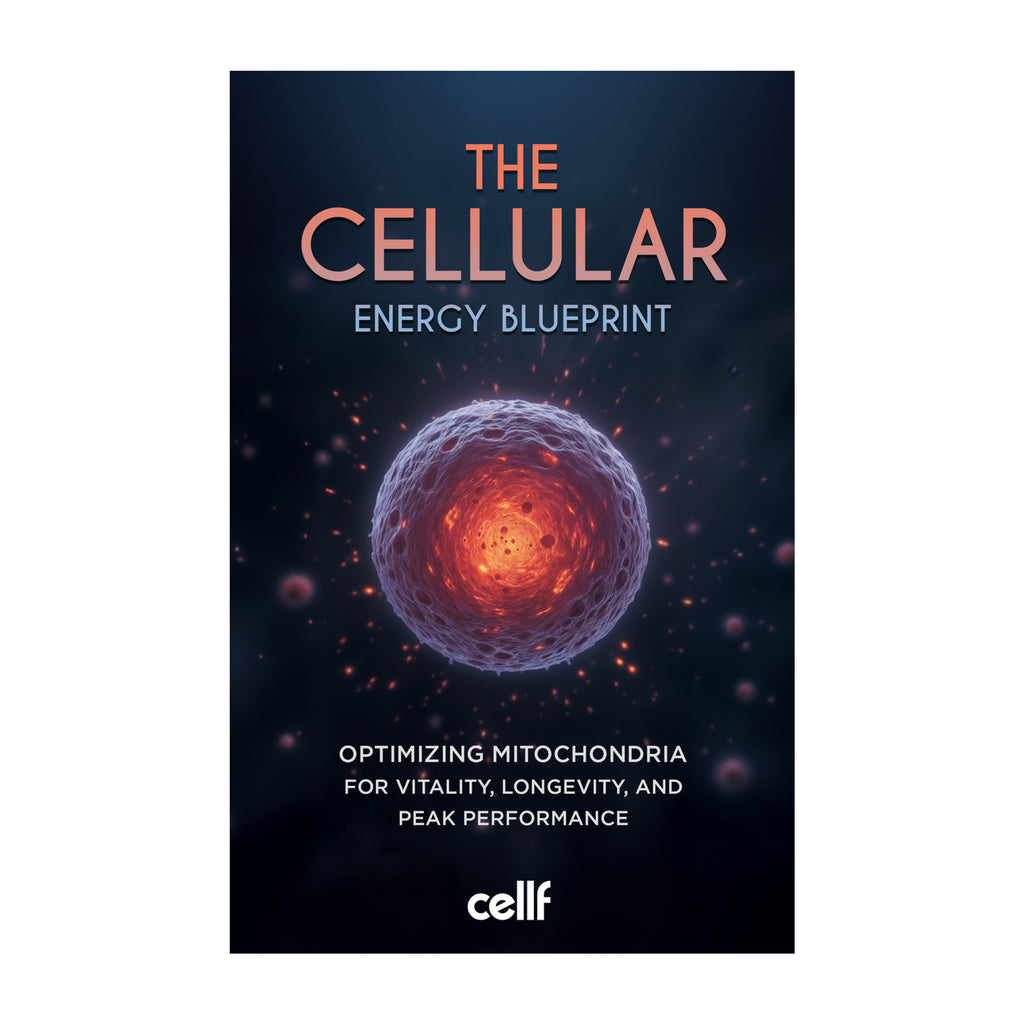
Your body is made up of trillions of cells working around the clock to generate energy, repair damage, communicate with one another, and keep your body's systems functioning. The Cellular Energy Blueprint explains that many of the things we associate with feeling our best—including energy, focus, sleep, recovery, skin, mood, and immunity—begin with the health of our cells.
At the center of this conversation are mitochondria, the structures within cells responsible for producing much of the energy your body uses.
Supporting cellular health doesn't have to mean completely overhauling your lifestyle. Instead, it can begin with the fundamentals: nourishing your body, moving regularly, prioritizing restorative sleep, managing stress, and supporting your body's natural renewal processes.
Here are five foundational ways to get started.
1. Nourish Your Cells With the Right Foods
Food isn't simply fuel. It also provides the raw materials your body needs for energy production, tissue repair, hormone regulation, and cellular protection.
The Cellular Energy Blueprint puts it simply: food is information. Every meal delivers nutrients and compounds that influence the environment in which your cells operate.
A cellular-supportive diet can include foods rich in antioxidants, healthy fats, fiber, protein, vitamins, minerals, and phytonutrients.
Add More Antioxidant-Rich Foods
Mitochondrial energy production naturally generates free radicals. Antioxidants help neutralize these unstable molecules and protect cellular structures from oxidative stress.
Consider incorporating foods such as:
-
Blueberries and other colorful berries
-
Spinach, kale, and leafy greens
-
Green tea
-
Turmeric
-
Broccoli and other cruciferous vegetables
-
Nuts and seeds
The book particularly highlights blueberries for their anthocyanins, leafy greens for nutrients such as folate, and green tea for its EGCG content.
Don't Be Afraid of Healthy Fats
Every cell is surrounded by a membrane composed largely of lipids. That makes dietary fat an important part of the cellular-health conversation.
Omega-3-rich foods such as salmon, sardines, and chia seeds, along with avocados, nuts, seeds, and olive oil, provide fats and other nutrients that support normal cellular structure and function.
The goal isn't dietary perfection. Think of every meal as another opportunity to give your body useful building blocks.
2. Use Movement to Support Mitochondrial Health
Exercise does much more than burn calories.
Movement increases circulation, helping deliver oxygen and nutrients throughout the body. It also challenges cells in ways that encourage adaptation and resilience. The book describes regular movement as a way to support both the number and efficiency of mitochondria within muscle cells.
And you don't need to spend hours in the gym to make movement part of a cellular wellness routine.
Different types of exercise provide different benefits:
Cardio: Walking, cycling, swimming, or other aerobic exercise challenges the cardiovascular system and supports mitochondrial adaptation.
Strength training: Resistance exercise helps maintain metabolically active muscle tissue and becomes increasingly important as we age.
Mobility and flexibility: Yoga, stretching, and tai chi combine physical movement with practices that can help encourage relaxation.
Short periods of higher intensity: Hills, intervals, and other appropriately challenging activities provide another type of stimulus for cellular adaptation.
The most important exercise may ultimately be the one you can perform consistently.
3. Make Sleep Part of Your Cellular Recovery Routine
You might look inactive while sleeping, but your body certainly isn't.
Sleep is an important period for physical restoration, hormone regulation, memory processing, and normal immune function. The Cellular Energy Blueprint describes sleep as one of the body's most important periods for cellular repair and recovery.
That's why improving your wellness routine shouldn't only be about what you can do more of.
Sometimes the biggest upgrade is better recovery.
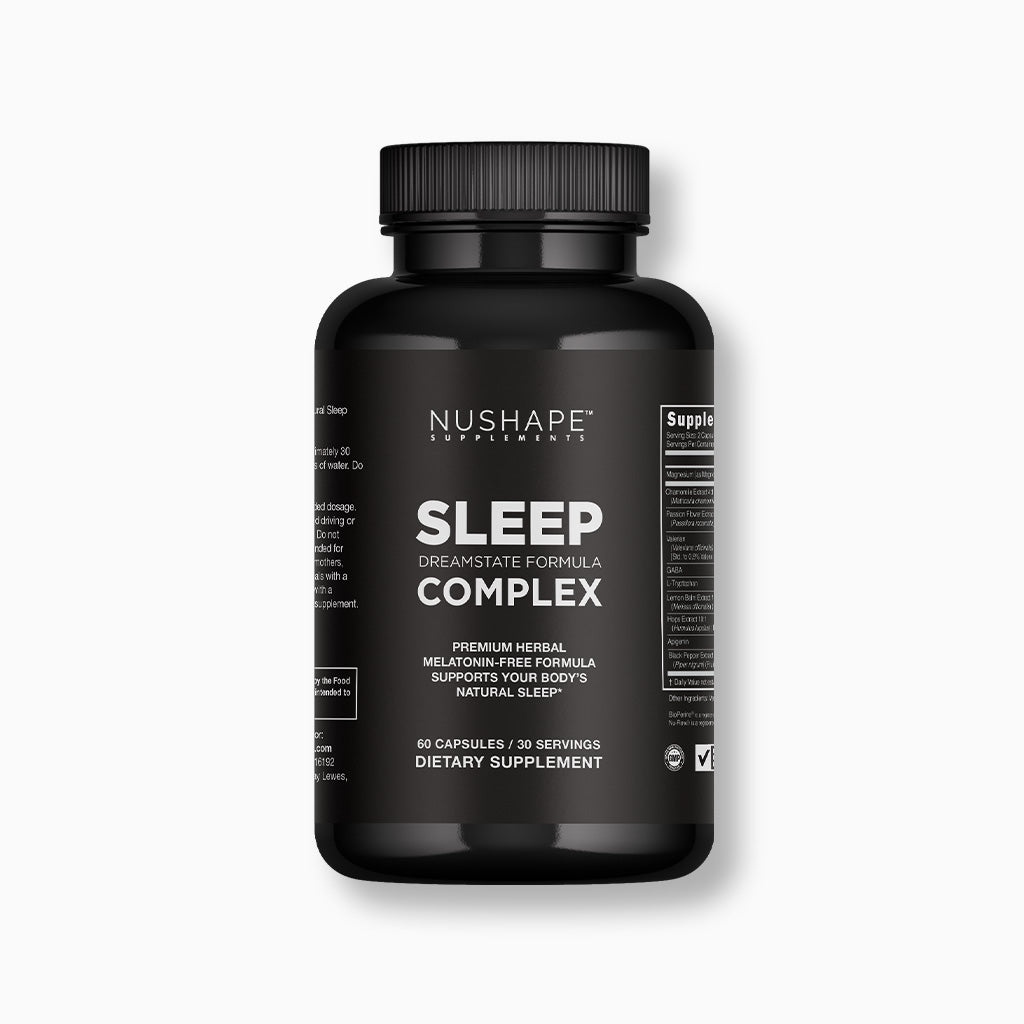
Create an Environment That Supports Sleep
Consider experimenting with simple habits such as:
-
Keeping your bedroom cool
-
Making your room as dark as practical
-
Reducing bright light and screens before bed
-
Maintaining a consistent bedtime
-
Creating a relaxing pre-sleep routine
-
Getting natural light earlier in the day
Your cells operate according to circadian rhythms influenced by the natural light-dark cycle. Morning light, daytime movement, and reduced evening light can help reinforce those rhythms.
Better days often begin the night before.
4. Manage Stress to Create More Space for Recovery
Not all stress is harmful.
Short periods of stress can help the body adapt. The problem is chronic stress without sufficient recovery.
When you're under stress, the sympathetic nervous system activates and hormones such as cortisol and adrenaline increase. This response is useful when you need it. But remaining in that state continuously can interfere with the recovery processes you're trying to support.
Fortunately, stress management doesn't necessarily require an hour-long meditation practice.
Small habits can help you shift gears throughout the day:
-
Take several slow, diaphragmatic breaths
-
Walk outside between tasks
-
Get natural light
-
Journal before bed
-
Practice gratitude
-
Spend meaningful time with friends and family
-
Build moments of quiet into your day
Even something as simple as three slow breaths before starting your car or spending two minutes outside between tasks can become part of your daily reset routine.
Small practices become powerful when they're repeated.
5. Support Your Body's Natural Renewal Processes
Your body already comes equipped with sophisticated systems for processing and eliminating waste.
The liver, kidneys, lungs, lymphatic system, skin, and digestive system all participate in maintaining your internal environment. At the cellular level, autophagy is one of the processes through which cells break down and recycle damaged cellular components.
Rather than thinking about "detox" as an extreme cleanse, focus on habits that support the body's existing processes.
That can include:
Hydration: Water is essential for normal cellular processes and kidney function.
Fiber: Fiber supports digestive health and normal elimination.
Movement: Unlike the cardiovascular system, the lymphatic system doesn't have a heart pumping fluid through it. Movement and breathing help keep lymph moving.
Whole foods: Cruciferous vegetables, herbs, and other nutrient-dense plant foods provide compounds used throughout the body's normal metabolic pathways.
Recovery: Sleep and adequate downtime give the body an opportunity to perform the maintenance work that's easy to overlook when we're focused exclusively on productivity.
What About Hydrogen Water and Red Light Therapy?
Once the fundamentals are established, some people choose to explore additional wellness technologies.
One discussed in The Cellular Energy Blueprint is molecular hydrogen (H₂). Because hydrogen is extremely small, it can cross cell membranes and reach areas including mitochondria. The book discusses molecular hydrogen in the context of oxidative stress, inflammation, recovery, and cellular wellness.
Another technology highlighted is red light therapy, which the book discusses in relation to mitochondrial cytochrome oxidase, ATP production, and cellular energy.
These technologies are best viewed as additions to—not replacements for—the basics.
Nutrition, movement, sleep, hydration, and stress management remain the foundation.
Try a 30-Day Cellular Wellness Reset
One of the most useful ideas in The Cellular Energy Blueprint is to stop trying to change everything at once.
Instead, build your routine gradually.
The book organizes its approach into a four-week framework:
Week 1: Build the Foundation
Start with three things:
Hydration + sleep + daily movement.
Drink water consistently, establish a sleep routine, and choose one form of movement you genuinely enjoy.
Week 2: Upgrade Your Nutrition
Add more whole foods, antioxidants, healthy fats, greens, berries, and cruciferous vegetables.
Instead of banning everything you enjoy, try replacing one processed choice each day with a whole-food alternative.
Week 3: Focus on Recovery
Pay greater attention to the habits that allow your body to recover.
Prioritize sleep, hydration, gentle movement, fiber-rich foods, and the recovery practices that fit your lifestyle.
Week 4: Make It Sustainable
Now ask yourself:
Which habits actually made me feel better?
Keep those.
Adjust the ones that were difficult to maintain.
Your goal isn't to finish a 30-day challenge and immediately return to your old routine. It's to discover a healthier rhythm that feels realistic enough to continue. The book emphasizes this same idea in its final week: retain the habits that feel natural, adjust those that don't, and create something sustainable.
Cellular Health and Healthy Aging
Supporting cellular health becomes increasingly important as we age.
The body's needs change over the decades, which means your wellness strategy can change with them too.
In your 40s, consistency with movement, sleep, stress management, antioxidants, omega-3 fats, and nutrient-dense foods becomes increasingly valuable.
In your 50s, preserving muscle and supporting bone, cardiovascular, and metabolic health become bigger priorities. The book emphasizes resistance training, protein intake, and blood-sugar-conscious eating during this period.
In your 60s and beyond, maintaining strength, mobility, balance, nutrition, social connection, and independence takes center stage.
Healthy aging isn't necessarily about fighting the passage of time.
It's about giving your body the resources it needs to adapt to it.
Small Choices Create Long-Term Change
You don't need a perfect diet, a complicated biohacking routine, or an entirely new lifestyle to begin supporting your cellular health.
Start with the choices you make every day.
Drink the water.
Eat the colorful vegetables.
Take the walk.
Lift something challenging.
Get outside.
Turn the lights down.
Go to bed.
Take a few slow breaths.
Connect with someone you care about.
Then do it again tomorrow.
The closing message of The Cellular Energy Blueprint is fitting: health is built through small, steady actions that compound over time.
Your cells are constantly adapting to the environment you create for them. Give them better inputs, consistently, and make cellular wellness part of how you live—not another short-term health trend.