Your Protocols · Signal & Restore
Your Daily
Protocols
Eight practices · One living system
Eight protocols. Eight biological levers. None of them require a device, a supplement, or a gym. Most cost nothing. All of them compound over time — the longer you practice, the deeper the effect.
"A protocol isn't a rule. It's an agreement you make with your own biology — a consistent signal you send, day after day, until the body responds as if this is simply how life works."
Eight Protocols · Tap to Open
Each protocol is fully self-contained — free version first, always. The upgrade is available when you want more depth or speed.
01
Foundation
Daily Non-Negotiables
▾
What This Is
These four practices are the biological foundation that makes every other intervention more effective. They are not optional additions — they are the baseline signal that tells your body it is in a safe, functional environment. When consistently in place, sleep improves, energy stabilises, and the body becomes more receptive to everything else you do.
The Four Practices
01
Morning light — within 30 minutes of waking. Go outside for 5–10 minutes. Look toward (not at) the sky. This single act sets the cortisol awakening response, calibrates the master circadian clock, and begins the 12–16 hour countdown to melatonin onset. No sunglasses. Overcast days still work — outdoor light is 10–100× brighter than indoor lighting even through cloud.
02
Mineralised water — before anything else. 300–500ml filtered water with a pinch of Celtic salt or Baja Gold. The body loses water and minerals overnight. Rehydration with electrolytes — not plain water — is the difference between water that enters cells and water that passes through. This is the first signal your gut, kidneys, and adrenals receive each morning.
03
No phone for the first 30 minutes. Checking email and social media first thing triggers a mild threat response and reactive dopamine, orienting the nervous system toward stress before the cortisol awakening response has stabilised. The morning window is when you set the tone for your nervous system. Protect it deliberately.
04
Grounding — bare feet on earth, when possible. Direct skin contact with soil, grass, sand, or stone allows electron transfer from the Earth's surface. Research by Gaétan Chevalier found this reduces inflammatory markers and normalises cortisol rhythm. Concrete does not conduct. Natural surfaces do. Combining morning light with barefoot outdoor time gives you two protocols in the same ten minutes.
Why It Works
The Cascade Effect
Morning light sets the cortisol awakening response, which determines your energy arc for the day. Mineralised water gives the kidneys and adrenals the electrolytes to regulate that response correctly. No-phone protection allows the nervous system to complete its morning calibration without interruption. Grounding reduces cortisol variability and improves autonomic balance. Each practice amplifies the next.
Timing
On waking
Mineralised water before anything else
0–30 min
Morning light outside — no phone during this window
Ongoing
Grounding when outdoors — morning combines two signals at once
02
Light & Circadian
Circadian Rhythm Protocol
▾
What This Is
Your circadian rhythm governs hormone release, immune function, metabolic rate, cell repair, and mood across the full 24-hour cycle. It is calibrated primarily by light. The protocol is simple: bright light in the morning, dimming light in the evening, darkness at night. This is the pattern your biology evolved in for hundreds of thousands of years. Modern life reversed it. This protocol restores it.
The Three Anchors
AM
Morning outdoor light — 10 minutes minimum. The most important single circadian signal. Ideally within 30 minutes of waking. The specialised ipRGC cells in the retina that feed the SCN (master clock) are maximally sensitive at this time. The effect cannot be replicated with indoor lighting — even the brightest office environment produces approximately 500 lux versus 10,000+ lux from open sky, even overcast.
PM
No overhead bright lighting after sunset. Dim lamps at or below eye level. Candlelight is ideal. Blue-light-blocking glasses (amber lens) worn after dark restore the melatonin environment without changing lighting infrastructure — they filter the specific wavelengths (450–480nm) that trigger melatonin suppression in retinal cells. This is the highest-leverage sleep tool most people are not using.
Sleep
Consistent anchor wake time — including weekends. The SCN uses timing consistency as a synchronisation cue as powerfully as light. Social jet lag — the drift in sleep timing between weekdays and weekends — disrupts metabolic health measurably, independently of sleep duration. An anchor wake time is more important than a consistent sleep time: the wake signal sets the 24-hour hormonal countdown.
The Upgrade
Free
Morning outdoor light
Amber glasses after dark
Consistent wake time
Cool (17–19°C), dark, quiet bedroom
Upgraded
Red and near-infrared light in the evening — does not suppress melatonin, supports mitochondrial function, provides a warm biological wind-down signal
NeuroPulse Pro at delta frequency (0.5–4Hz) before sleep — supports the transition into slow-wave sleep
Why It Works
The 24-Hour Hormonal Arc
Morning light triggers the cortisol awakening response (peak at 30–45 minutes post-waking) which drives alertness and metabolic rate. Melatonin begins rising approximately 14–16 hours after the morning light signal — this is why consistent light timing is the most reliable sleep intervention available. Darkness allows melatonin to reach its overnight peak, governing tissue repair. Disrupting either end disrupts everything in between.
03
Red Light Therapy
Light as Medicine Protocol
▾
What This Is
Red and near-infrared light is absorbed by an enzyme in the mitochondria called cytochrome c oxidase. This absorption increases the efficiency of ATP production — the energy currency that powers every biological process. The result is more cellular energy available for repair, regeneration, and function. Over 1,000 peer-reviewed studies support the mechanisms. The free version has been available since the first morning of human history.
Free Version
→
20–30 minutes of morning sunlight on skin. Sunlight contains the full spectrum including red and near-infrared. This mitochondrial activation mechanism works through direct skin contact — not through glass or clothing. Morning skin-to-sun contact provides photobiomodulation simultaneously with circadian calibration. One practice, two biological effects.
Device Protocol
01
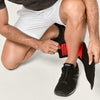
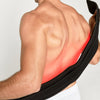
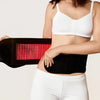
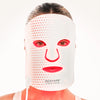
Position device 10–30cm from skin. Face, scalp, and neck for the NeuroPulse Pro. Full body for the Multi-Therapy Mat or panel devices. Closer = more intensity. The light does not need to be felt to be working — this is not warmth therapy, it is photochemistry.
02
Duration: 10–20 minutes per session. Mitochondrial saturation typically occurs within this window. Consistency across sessions matters more than duration within a session.
03
Timing: morning, or up to one hour before sleep. Red and near-infrared light do not suppress melatonin — they support it. Evening use creates a warm biological wind-down. Use after contrast therapy (sauna/cold) for enhanced cellular uptake during the post-hormesis recovery window.
04
Frequency: daily or 5 days per week. Benefits accumulate over weeks. Most people notice changes in energy, skin quality, recovery speed, and sleep within 2–4 weeks of daily sessions.
Best Stacked With
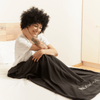
Red light after contrast therapy amplifies recovery. Combined with PEMF in the Multi-Therapy Mat, it targets both cellular voltage and ATP production simultaneously. Evening red light paired with magnesium glycinate deepens sleep quality. Post-exercise red light supports muscle protein synthesis in the anabolic window.
The Mechanism
Cytochrome c Oxidase — Why It Works
In low-energy cellular states, nitric oxide competes with oxygen at cytochrome c oxidase, partially inhibiting ATP production. Photobiomodulation with red and near-infrared light displaces nitric oxide, restoring normal electron transport chain efficiency and increasing ATP output. This effect is available for repair, immune function, collagen synthesis, and neurological processes — wherever the cells that received the light are located.
04
Breathwork & Nervous System
Vagus Nerve Protocol
▾
What This Is
The vagus nerve is the longest cranial nerve in the body — a two-way communication highway between the brainstem and the gut, heart, and lungs. 80% of its signals travel upward, from body to brain, not the reverse. High vagal tone means better emotional regulation, stronger immune response, and greater metabolic resilience. You build vagal tone the way you build any other capacity: deliberate, repeated stimulation. These four techniques are the most accessible and best-evidenced methods available.
Four Practices
01
Extended exhale — the foundation. Inhale 4 counts. Exhale 6–8 counts. When the exhale is longer than the inhale, the heart rate slows and vagal tone increases via baroreceptors in the lungs. This is the mechanism behind every calming breathwork tradition from yoga pranayama to military stress protocols. Five minutes shifts HRV measurably. Ten minutes produces effects comparable to meditation.
02
Humming — 20–30 seconds, once or more daily. Humming mechanically vibrates the vagus nerve branches running through the larynx and pharynx. Research from the Karolinska Institute found it raises nitric oxide in the nasal passages by up to 15-fold, improving sinus function and vascular tone. The vibration sensation in chest and skull is the vagal response. This is why monks chant, why mothers hum to infants, and why certain healing traditions built entire lineages around sustained vocal tone.
03
Physiological sigh — the fastest nervous system reset. Double inhale through the nose (short inhale, then a second sniff to fully inflate the lungs), followed by a long slow exhale. Research from Andrew Huberman's lab at Stanford identifies this as the fastest known method to reduce physiological stress — effective within a single breath cycle. Use at any moment of acute stress, before difficult conversations, or when you notice your nervous system activating.
04
Box breathing — pre-meeting, pre-sleep cortisol reset. Inhale 4 → Hold 4 → Exhale 4 → Hold 4. Five rounds minimum. The symmetrical hold pattern engages the prefrontal cortex and returns rational processing during high autonomic arousal. Used by special forces, surgeons, and emergency responders. Equally effective as a pre-sleep ritual — one of the few practices that reliably lowers resting heart rate within a single session.
Timing
Morning
Humming 20–30 sec during or after morning water — pairs with grounding outside
Anytime
Physiological sigh at any moment of stress or nervous system activation
Pre-sleep
Extended exhale or box breathing — 5 min, replacing screen time as the last signal before sleep
The Upgrade
Free
All four breathing practices above
Daily humming — morning and pre-sleep
HRV monitoring via any wearable to track progress
Upgraded
NeuroPulse Pro — PEMF + red light targeting vagal pathways at the neck and brainstem. Theta frequency (4–8Hz) supports the same parasympathetic state produced by extended exhale breathing, without requiring active practice
05
PEMF & Grounding
Grounding + PEMF Protocol
▾
What This Is
Your cells run on voltage — literally. Every function they perform, from absorbing nutrients to running repair cycles, depends on the membrane holding an electrical charge. When that charge drops — through stress, inflammation, ageing — the whole system underperforms. Chronic stress, inflammation, and ageing reduce this voltage. Grounding and PEMF both restore it through different but complementary mechanisms. This protocol gives you both.
Grounding — The Free Version
→
Bare feet on soil, grass, sand, or stone for 20–30 minutes daily. Direct skin contact allows electron transfer from the Earth's negatively charged surface to the body. Research by Gaétan Chevalier and colleagues found that grounding reduces C-reactive protein (an inflammatory marker), normalises cortisol rhythm, and improves autonomic balance — particularly practiced in the morning alongside light exposure. Concrete does not conduct. Natural surfaces do.
PEMF Session Protocol
01
Frequency selection. 7.83Hz (Schumann resonance) for general grounding and nervous system calibration. Delta (0.5–4Hz) for sleep support and deep repair. Theta (4–8Hz) for relaxed focus and nervous system downregulation. Alpha (8–13Hz) for calm alertness. The Multi-Therapy Mat and NeuroPulse Pro allow frequency selection.
02
Duration: 20–40 minutes per session. Cellular voltage restoration occurs progressively within a session. Many users notice warmth, tingling, or a settling sensation — particularly in the first sessions as the body recalibrates.
03
Stack with red and near-infrared light where possible. The Multi-Therapy Mat delivers PEMF and light therapy simultaneously — targeting cellular voltage (PEMF) and ATP production (light) in a single session. The combination is greater than either alone.
The Schumann Connection
Why 7.83Hz Is Not Arbitrary
The Schumann resonance is produced by lightning discharges reverberating between the Earth's surface and the ionosphere — a constant, global electromagnetic frequency that human evolution occurred within. It is not coincidental that 7.83Hz falls precisely within the theta brainwave range associated with deep relaxation and meditative states. PEMF at this frequency replicates, indoors and in any climate, what barefoot contact with earth has always provided — the electromagnetic environment your nervous system evolved expecting.
06
Movement
Daily Movement Protocol
▾
What This Is
Movement is not exercise — it is a biological requirement. Your lymphatic system has no pump: movement is the only pump it has. Your mitochondria multiply in response to sustained aerobic demand. Your circadian clock uses movement as a calibration signal. Your bones remodel in response to load. None of this requires a gym, a specific schedule, or intensity. It requires distribution and consistency across the day.
Four Daily Anchors
AM
10–15 minutes outdoors on waking. Combines circadian light with lymphatic activation and nervous system tone-setting simultaneously. The single highest-return morning investment in the protocol set. Walk. Stand. Stretch. The modality matters less than the outdoor light and the movement.
Meals
10-minute walk after every main meal. Reduces postprandial blood glucose by 20–30% compared to sitting (University of Limerick). Muscles absorb glucose directly during movement, reducing insulin demand and preventing the inflammatory glucose spike that follows most modern meals. The Mediterranean tradition of la passeggiata — the post-dinner stroll — is not cultural habit. It is metabolic medicine practiced before anyone knew the mechanism.
Daily
30–45 minutes of Zone 2 movement. Zone 2 = 60–70% of maximum heart rate. You should be able to hold a full sentence but not want to sing. This is the intensity at which the body runs primarily on fat, requiring mitochondria to work efficiently and, over time, to multiply (PGC-1α activation). Walking, swimming, cycling, dancing — all qualify. Consistency matters more than modality.
2–3×/wk
Resistance training — for women, this is not optional. Women begin losing bone density around age 30, with acceleration during perimenopause due to declining oestrogen. Resistance training is the only intervention that meaningfully stimulates osteoblast activity and new bone formation. It also increases BDNF, builds muscle as metabolic tissue, improves insulin sensitivity, and is one of the strongest predictors of all-cause longevity. Grip strength at any age correlates directly with mortality risk.
Lymphatic Support
Rebounding (5–10 minutes on a mini trampoline) is widely considered the most efficient lymphatic pump available. Repeated changes in gravitational force open and close lymphatic vessels with each bounce. NASA research noted that rebounding produces a higher G-force stimulus than running with lower joint impact. Particularly useful on rest days, when walking is limited, or as a morning lymphatic activation before shower.
07
Thermal Hormesis
Heat & Cold Protocol
▾
What This Is
Heat and cold are two of the oldest and most studied biological stressors available. Each produces specific, measurable adaptations. Together in contrast, they produce a cardiovascular and hormonal response that neither achieves alone. This is hormesis in its most direct form: a controlled stress that leaves the body more capable than it was before. The Mediterranean world has used thermal bathing for millennia. The mechanisms are now understood.
The Sauna
Temp
80°C minimum. Heat shock protein (HSP) expression requires core body temperature to reach approximately 38.5°C. This typically requires 15–20 minutes at 80°C+. HSPs are molecular chaperones that repair misfolded proteins — one of the most direct anti-ageing cellular mechanisms available through lifestyle intervention.
Time
15–20 minutes per session. Cardiovascular benefit is associated with 3–4 sessions per week at this duration. Growth hormone surges of up to 16-fold have been recorded in sessions of 1–2 hours at 80°C, though 15–20 minutes consistently provides the HSP and cardiovascular benefit without requiring extended time.
Data
3–4 sessions weekly minimum for cardiovascular mortality benefit. A Finnish study following 2,315 men over 20 years found that 4–7 sessions weekly was associated with a 40% reduction in cardiovascular mortality compared to once-weekly use. That is a dietary-intervention-level effect from sitting in heat.
The Cold
Start
Cold shower — 30–60 seconds at the end of a regular shower. The gasping reflex and discomfort confirm the signal is landing. Norepinephrine releases with any water exposure that feels genuinely uncomfortable, regardless of precise temperature. Begin here and build consistency before chasing duration or temperature.
Build
2–3 minutes at 10–15°C. Slow nasal exhale is the primary tool for staying calm inside the discomfort — it activates the parasympathetic nervous system even while the cold is triggering sympathetic activation. The practice is about learning to tolerate the gap between stimulus and response.
Target
11 minutes per week total, distributed across sessions — the threshold identified in Huberman Lab research for measurable, sustained norepinephrine and dopamine elevation. Three 3–4 minute sessions weekly achieves this comfortably.
The Contrast Sequence
01
Sauna first. Opens blood vessels, drives heat deep into tissue. The preparation phase.
02
Cold immediately after. Rapid vasoconstriction pushes peripheral blood back to core, carrying metabolic waste and delivering fresh oxygenated blood on rebound. The cardiovascular pump — dilation then constriction — is the adaptation signal. This is what makes contrast more powerful than either modality alone.
03
End cold, where possible. Ending cold drives the norepinephrine surge and produces the post-contrast clarity that many people describe as one of the best feelings available without a substance. Ending hot is comfortable. Ending cold is the protocol.
Intelligent Stacking
Glutathione or NAC before sauna buffers oxidative stress from heat exposure. Red and near-infrared light after contrast amplifies cellular recovery in the post-hormesis window. Hydrogen water after sauna or cold provides selective antioxidant support without blunting the adaptation signal. Avoid contrast immediately after heavy resistance training — the cold inhibits muscle protein synthesis.
08
Recovery
Acute Recovery Protocol
▾
What This Is
Recovery is not passive rest — it is an active set of biological processes: protein synthesis, inflammatory resolution, cellular repair, hormone rebalancing. These processes run during sleep and in the hours following exertion. This protocol creates the optimal conditions for that work to happen. Without deliberate recovery, the same training that could produce adaptation instead produces accumulated damage. The stress without the adaptation.
The Post-Exertion Window (0–2 hours)
01
Hydrogen water — drink immediately after generation. Exercise produces a surge of reactive oxygen species including the hydroxyl radical (•OH), the most destructive free radical. Molecular hydrogen selectively neutralises •OH while leaving the beneficial ROS that signal adaptation intact. Unlike blunt-force antioxidants (which can blunt adaptation signals), hydrogen is precisely targeted. Hydrogen concentration falls immediately after generation — drink within 10–15 minutes.
02
Red and near-infrared light — 10–20 minutes. Post-exertion is one of the highest-yield times for photobiomodulation. Cells are in active repair mode with elevated mitochondrial demand. Red light at this window amplifies ATP availability for muscle protein synthesis and inflammatory resolution. Use the Multi-Therapy Mat or a targeted device over the areas of most exertion.
03
Protein within 2 hours of training. Adequate protein across the day (1.6–2.2g per kg bodyweight) with a post-exertion feeding supports muscle protein synthesis. Essential amino acids (EAAs) are particularly efficient — they provide the full signalling complex for protein synthesis without the caloric load of whole protein sources and absorb rapidly.
The Pre-Sleep Recovery Window
01
Raw honey — one teaspoon before sleep. The liver uses glycogen stores overnight to maintain blood glucose during the fasting state. When liver glycogen runs low at 2–3am, the body releases cortisol to trigger gluconeogenesis — waking many people at this time. A small amount of raw honey replenishes liver glycogen without triggering a meaningful insulin spike. This is not breaking a fast. The effect is measurable: better sleep continuity and reduced nighttime cortisol.
02
Magnesium glycinate — 300–400mg in the evening. Involved in over 300 enzymatic processes including muscle relaxation, cortisol regulation, and GABA receptor function. The glycinate form is the most bioavailable and least likely to cause digestive discomfort. Taken 1–2 hours before sleep, it supports the cortisol drop required for sleep onset. Magnesium deficiency is common in people under sustained stress — which describes most people.
03
Sleep environment: dark, cool (17–19°C), quiet. Core body temperature must drop by approximately 1°C for sleep onset and deep sleep. Cool room temperature supports this passively. Complete darkness allows melatonin to peak. Earplugs and a sleep mask — simple, inexpensive tools that meaningfully improve sleep depth in most real-world environments. Women on average need 20 minutes more sleep per night than men, and their recovery needs shift across the hormonal cycle.
The Principle Beneath the Protocol
Recovery is where adaptation happens
Training, thermal therapy, and cognitive work are stressors — signals that tell the body to adapt. The adaptation itself — stronger tissue, more mitochondria, better stress tolerance — happens during recovery, primarily during sleep. Elite coaches consistently identify sleep and recovery as the most important variable in performance, above training volume. Everything in this protocol is directed at maximising the quality of that recovery window — because the stress is only half the equation.
A Note
You don't need all of these.
You probably won't do all of these.
That's completely fine.
You probably won't do all of these.
That's completely fine.
This is a reference library — not a to-do list. Most people find one or two practices that genuinely fit their life and notice real changes within a few weeks. That's enough. The goal was never eight new habits. It was giving you enough information to know what's available, and to choose what actually resonates with you.
Signal & Restore · NuShape · nushape.com
SOHOIBIZA