A few of these matter more than the rest. If you only take two things from this whole guide, make them the two below, then build habits around them.
Matters most
The two I never skip
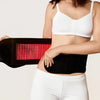
- Red light therapy. Not because it's trendy, but because it works. Of everything on this list, it's the one thing I've consistently come back to for years.
- Face taping, 3–4x weekly. It looks ridiculous. It works.. (Full how-to in Tools.)
Light Protocol: ~4 sessions/week for 6 weeks, then cycle seasonally.
🚨 Avoid low-quality devices. The wrong wavelengths and poor design can cause facial fat loss and brown spots or melasma that age you. Underpowered devices won't stimulate change at all. Different wavelengths do different things (that's why ours offers several options depending on your concern).
Why light therapy is different
I've spent enough time letting people do things to my face to notice a pattern. Almost everything in this industry works by hurting your skin a little, or sometimes a lot, on purpose, then trusting your body to do something better during the recovery. Whether it's heat, needles, lasers, or acid, the active ingredient is often damage.
Light is the only thing I've tried that doesn't work that way, and the first time, I genuinely doubted it was doing anything. Nothing hurt. Nothing felt sensitive afterward. You just sit there under a pane or a mask.
But something is happening. Red and near-infrared light at specific wavelengths interact with an enzyme inside your mitochondria called cytochrome c oxidase, helping your cells produce more ATP, the fuel they run on. Your skin doesn't need a controlled injury to wake up. It just needs energy. Give it enough, and it does what healthy skin is designed to do when it has the resources: produce collagen, repair itself, retain moisture, and help regulate inflammation.
The reason so many other treatments work is that they force the skin into a repair response. Light simply supports what's already there. It's the only thing I've stayed with for a decade.
The mask I helped develop
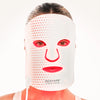
NuShape LED Face Mask
Wearable red light therapy at the wavelengths that actually do the work. Hands-free, 10–20 minutes per session, used 4–5 times a week.
View product →
Use code BEYONDBOTOX15 for 15% off.
My favorite pairing
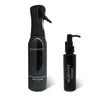
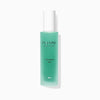
Enlumine Ultimate Photon Elixir
The peptide-rich serum I use under the mask, every time. Built on Matrixyl 3000 (palmitoyl pentapeptide-3), it's a peptide active with real numbers behind it: overall collagen synthesis up to 117%, Collagen IV synthesis up to 357%, and deep wrinkle surface area reduced by up to 68% in clinical research.
Layered under red light, the peptides go into skin that's actively in repair mode, which is when ingredients work hardest. I do also spritz a green tea mist over my face (almost all teas have heavy metals now, so purchase your tea consciously — I use Ippodo Tea's matcha) as studies have shown green tea increases the benefits of red light therapy by 10x (no joke!)
View product →
Use code BEYONDBOTOX15 for 15% off.
Must-have topicals
What's on my shelf.
Vitamin C (as a well-formulated serum). One of the few skincare ingredients that deserves its reputation. Vitamin C supports collagen production, helps brighten pigmentation, and provides antioxidant protection against the environmental stressors your skin encounters every day. The catch is that not all Vitamin C products are created equal. The most researched form, L-ascorbic acid, is notoriously unstable and can oxidize quickly when exposed to light, air, heat, or water. Look for a well-formulated serum in opaque packaging from a company that takes stability seriously. When done right, it's one of the best-supported ingredients in all of skincare. I use Maelove's Glow Maker.
Copper peptides (GHK-Cu). One of the most well-researched peptide complexes in skin science. Copper binds to a small tripeptide (GHK) and gets shuttled into the skin, where it acts as a cofactor for the enzymes involved in collagen synthesis, tissue repair, and antioxidant defense. In clinical studies, GHK-Cu has been shown to improve firmness, reduce fine lines, and accelerate wound healing. I use Skin Biology's Skin Signals Cream at night, layered under an oil or moisturizer. One thing to know: don't use copper peptides in the same routine as high-strength Vitamin C. They cancel each other out chemically. Vitamin C in the morning, copper peptides at night.
Gotu kola (Centella asiatica). One of the most researched plant extracts in skin science, and one of the few that's gone from ancient herbal medicine to every serious K-beauty serum on the market for actual reasons. Wound healing, collagen production, barrier repair—all backed by real clinical data. What makes it different from most plant extracts is that it actually signals your cells to produce more collagen. It's not depositing collagen on your skin. It's encouraging your skin to make more of its own. I use Purito's Wonder Releaf Centella Serum, layered into my evening routine.
Pomegranate seed oil. If I had to choose one antioxidant-rich facial oil, this would be high on the list. Pomegranate contains compounds called punicalagins and ellagic acid, which have been studied for their ability to help protect the skin from oxidative stress and support collagen preservation. Some research even suggests pomegranate may help reduce certain forms of UV-induced damage. As someone who loves being in the sun, that caught my attention. I use it when my skin feels depleted, overexposed, or like it needs a little extra support.
Castor oil & rosemary blend (nighttime ritual). One of the oldest topical rituals in the beauty world, and one of the few that keeps showing up across cultures because it actually works. Castor oil is rich in ricinoleic acid, a fatty acid with real anti-inflammatory research behind it, and its dense molecular structure lets it penetrate the skin more deeply than most oils. It's traditionally used for scar softening, brow and lash growth, joint packs, and barrier support. Add a few drops of rosemary essential oil, a proven circulatory stimulant that some studies have shown comparable to minoxidil for scalp regrowth, and you get a nighttime blend that drives blood and lymph through the deeper layers of the face while you sleep. Warm a small amount between your palms, press into clean skin, and let it work overnight. Cheap, ancient, and quietly one of the most effective things on my shelf. I use Heritage Store's cold-pressed castor oil (in glass) with Mountain Rose Herbs rosemary essential oil.
Melatonin (mixed into shea or cacao butter). Most of us think of melatonin as a sleep hormone. The skin actually makes its own and has receptors specifically for it. Topically it's one of the most powerful antioxidants we have access to, and it supports the body's overnight DNA repair work. I make mine by mixing a very generous amount of powdered melatonin into shea or cacao butter. I slather it on at night, especially after too much time in the sun, the city, or airports—and always before flying. Anywhere I've been exposed to a lot of non-native frequencies and want to protect my cellular health. The research is still early, but the logic checks out: work with what the body already does, don't fight it. My sources: BulkSupplements melatonin powder, Better Shea Butter's raw unrefined shea, and Terrasoul's organic cacao butter.
Tretinoin (occasional, targeted use). I know—I just spent a whole page telling you why I don't love conventional retinoids as a daily active. Being honest though, low-strength tretinoin does have a small place on my shelf for scars, congestion, and stubborn dark spots. I use it in short cycles, not as a maintenance product. When I do reach for it: on completely dry skin, at the lowest strength I can find. The rebound and barrier disruption I mentioned in the retinol swap section are still very real. This is targeted spot work, not a daily anti-aging strategy.