Getting eight hours of sleep doesn't always mean waking up feeling rested.
That’s because sleep quality matters, too. Throughout the night, your brain moves through different stages of sleep, including light sleep, deep sleep and REM sleep. Each plays a different role in restoration, memory, mood and recovery.
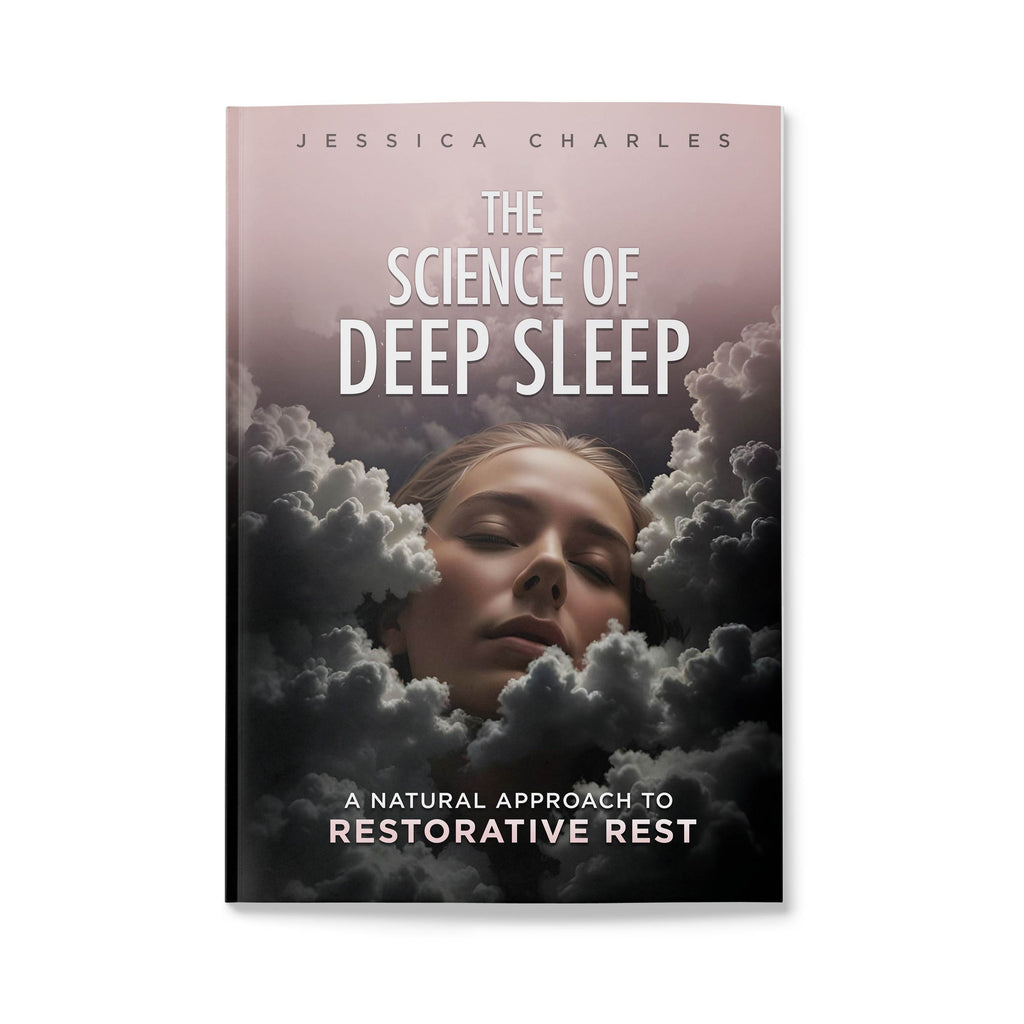
Deep sleep, also known as slow-wave sleep, is an especially restorative stage. The book The Science of Deep Sleep describes it as a period associated with tissue repair, immune function, cellular restoration and the brain's nighttime waste-clearing processes.
So instead of simply asking, “How can I sleep longer?”, a better question may be:
How can I create the right conditions for deeper, more restorative sleep?
Here are 10 natural strategies to start with.
1. Get Natural Light in the Morning
One of the simplest ways to support better sleep tonight starts first thing in the morning.
Your body operates on an internal 24-hour clock known as your circadian rhythm. Light is one of the strongest signals helping regulate that clock.
Morning sunlight helps tell your body that the day has begun, while darkness later helps signal that it’s time to wind down. The Science of Deep Sleep recommends getting natural morning light as part of maintaining a healthy sleep-wake rhythm.
Try this: Spend 10–15 minutes outside or near natural light shortly after waking.
2. Dim the Lights Before Bed
Just as morning light can signal wakefulness, your evening environment can help communicate that bedtime is approaching.
Bright artificial light—especially blue-rich light from screens and LEDs—can interfere with the natural nighttime signals involved in sleep.
The book recommends dimming overhead lights and switching to warmer, amber-toned lighting approximately two hours before bedtime.
Think of it as creating your own artificial sunset.
Try this: Lower your home's lighting, reduce screen brightness and choose warm lighting as your bedtime approaches.
3. Keep Your Bedroom Cool
Temperature is another important part of your body's transition into sleep.
Your core body temperature naturally begins to decrease as bedtime approaches. Creating a cooler sleep environment can complement that process.
The book suggests a bedroom temperature of approximately 65–68°F (18–20°C), while noting that individual preferences vary.
Breathable bedding and cooling the bedroom before you get into bed can also help create a more comfortable environment.
4. Create a Consistent Bedtime Routine
Your brain loves patterns.
Doing the same calming activities each night can create a familiar transition between the stimulation of the day and the quiet of sleep.
A simple routine could include:
-
Dim the lights.
-
Put away your phone.
-
Take a warm shower.
-
Stretch for a few minutes.
-
Read or journal.
-
Go to bed at roughly the same time.
Consistency matters more than creating an elaborate routine. The book emphasizes regular sleep and wake times, reduced evening stimulation, gentle relaxation and mental unwinding as foundations of a pre-sleep ritual.
5. Try the 4-7-8 Breathing Technique
Sometimes the problem isn't that your body is tired.
It's that your mind hasn't stopped.
One relaxation exercise featured in The Science of Deep Sleep is 4-7-8 breathing:
Inhale for 4 seconds → hold for 7 seconds → exhale for 8 seconds.
Slow, intentional breathing can be a useful part of transitioning from a busy day into a calmer state before bed.
Try a few rounds while lying comfortably in bed.
6. Do a “Brain Download”
Ever turn off the lights only for tomorrow's to-do list to suddenly become incredibly important?
Instead of trying to force those thoughts away, put them somewhere.
Keep a notebook beside your bed and spend a few minutes writing down:
-
Tomorrow's tasks
-
Things you're worried about
-
Ideas you don't want to forget
-
Anything that feels unfinished
The book calls this a “Brain Download”—a simple practice designed to help clear mental clutter before sleep.
Once it's on paper, you don't have to keep rehearsing it mentally.
7. Use Gentle Movement to Wind Down
Exercise can support healthy sleep, but timing and intensity matter.
Rather than doing a highly stimulating workout immediately before bed, try gentle movements that help your body release tension.
The book suggests light evening stretches for areas such as the neck, shoulders and lower back, along with restorative positions such as supported child's pose or resting with your legs elevated.
The goal isn't another workout.
It's giving your body a physical cue that the day is ending.
8. Turn Your Bedroom Into a Sleep Sanctuary
Your bedroom should make sleep easier—not compete for your attention.
Consider the entire environment:
Light: Make the room as dark as practical.
Sound: If silence doesn't work for you, experiment with white, pink, brown or natural background noise.
Temperature: Keep the room comfortably cool.
Bedding: Choose breathable materials that help regulate temperature.
Clutter: Keep your sleeping area visually calm.
The book specifically discusses sound, temperature, air quality, bedding, clutter and room design as elements of a supportive sleep environment.
Your bedroom doesn't have to look like a luxury hotel.
It simply needs to tell your brain: this is where we rest.
9. The Dark Side of Melatonin Supplements (And What to Use Instead)
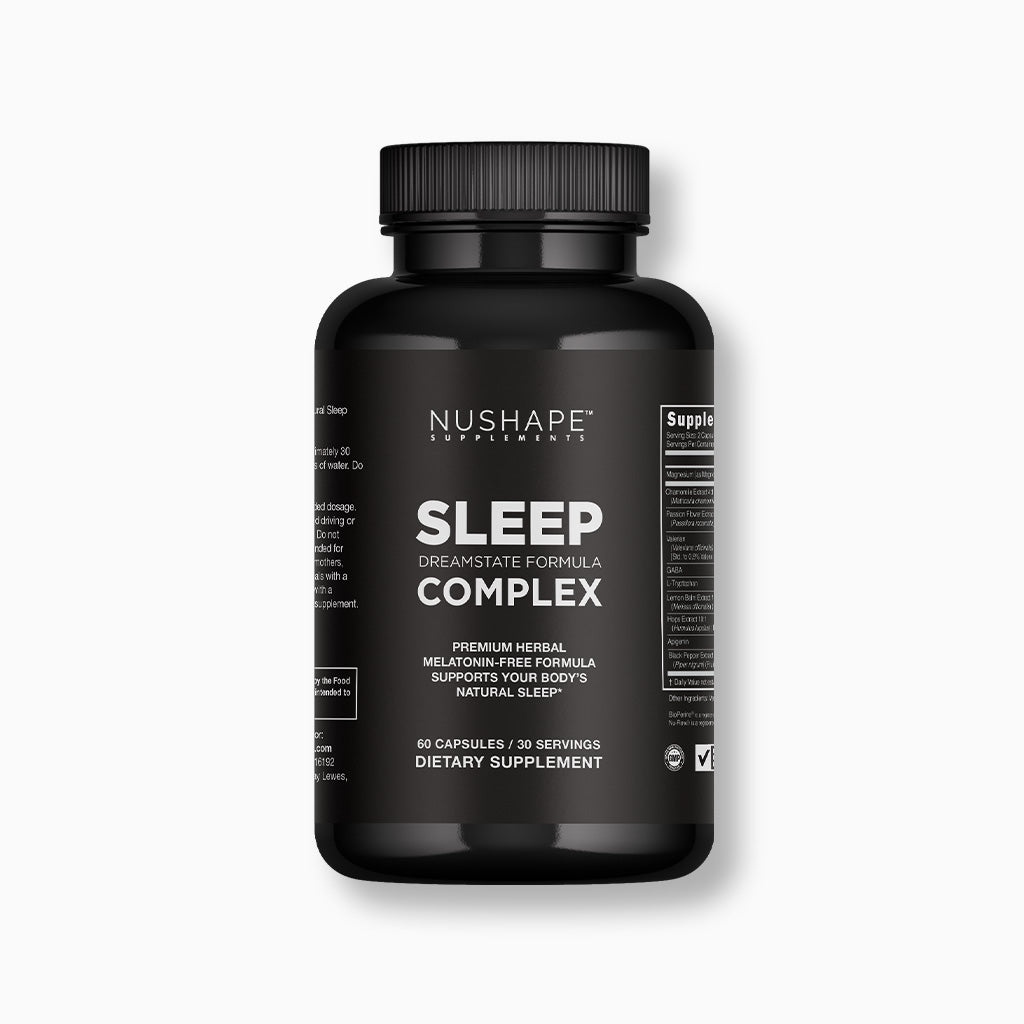
Lifestyle and environmental changes should form the foundation of a healthy sleep routine, but some people also incorporate nutrients and botanicals into their nighttime ritual.
Melatonin is often touted as the go-to sleep remedy, but daily supplementation presents several major drawbacks:
-
Disrupts Natural Hormone Production: Regular supplementation signals your body to produce less natural melatonin over time.
-
Morning Grogginess: Synthetic melatonin often metabolizes slowly, causing a lingering sleep hangover.
-
Dosing Oversaturation: Most commercial supplements contain 3–10mg—far more than the micro-doses the body naturally requires.
Better Natural Alternatives for Deep Sleep & REM
Instead of forcing sleep with synthetic hormones, nourish your body’s natural neurotransmitter pathways:
-
GABA (Gamma-Aminobutyric Acid): The brain’s chief calming neurotransmitter that reduces activity and promotes deep relaxation.
-
L-Tryptophan: An essential amino acid that serves as a precursor to natural serotonin and melatonin synthesis.
-
Magnesium Glycinate: Highly bioavailable magnesium that calms the nervous system and relaxes muscles.
-
Botanical Synergists: Valerian Root, Passionflower, Lemon Balm, and Apigenin (from Chamomile)naturally modulate GABA receptors, decreasing sleep onset time without grogginess.
*Rather than viewing a supplement as a replacement for good sleep habits, think of it as one potential piece of a larger nighttime routine.
10. Focus on Consistency, Not Perfection
The best sleep routine isn't the one with the most hacks.
It's the one you'll actually follow.
Start with one or two changes: morning sunlight, dimmer evening lighting, a cooler bedroom, five minutes of breathing, or a consistent bedtime.
Then build from there.
As The Science of Deep Sleep emphasizes, better rest is less about finding a single solution and more about creating conditions in which your environment, habits and natural rhythms work together.
Small changes repeated consistently can become powerful nighttime signals.
Your Natural Deep Sleep Checklist
Tonight, try this simple routine:
Morning: Get 10–15 minutes of natural light.
Daytime: Move your body and stay active.
2 hours before bed: Lower bright overhead lighting.
1–2 hours before bed: Take a warm shower or bath.
30 minutes before bed: Put away stimulating screens and activities.
Before getting into bed: Write down tomorrow's tasks.
In bed: Try gentle breathing and relaxation.
Bedroom: Keep it cool, dark and comfortable.
You don't need to transform your entire life overnight.
Give your body the right signals consistently, and make restorative sleep part of your daily wellness routine.